

What the Inflation Reduction Act Means for Your California Home in 2026
The inflation reduction act benefits for California homeowners are bigger than most people realize — and if you own a home in San Diego or the surrounding suburbs, you could be leaving thousands of dollars on the table right now.
Here is a quick snapshot of what is available:
| Benefit | What You Can Get |
|---|---|
| Solar + Battery Storage (25D) | 30% federal tax credit, no dollar cap, through 2032 |
| Heat Pump HVAC (HEEHRA) | Up to $8,000 rebate for income-qualified households |
| Heat Pump Water Heater | Up to $1,750 rebate |
| Electrical Panel Upgrade | Up to $4,000 rebate |
| Energy Efficiency Improvements (25C) | Up to $3,200 annual tax credit |
| New Electric Vehicle (30D) | Up to $7,500 tax credit |
| Used Electric Vehicle (25E) | Up to $4,000 tax credit |
| Home Energy Audit | Up to $150 tax credit |
California received a total of $590 million from the U.S. Department of Energy specifically for residential energy programs. That breaks down into $290 million for appliance-based HEEHRA rebates, $291 million for the performance-based HOMES program, and $10.3 million for contractor training through CA-TREC.
The goal of all this funding is straightforward: help you swap out old, gas-powered systems for modern electric ones — and make the cost easier to swallow.
But the landscape has changed in 2026. As of February 24, 2026, Phase I HEEHRA single-family rebate funds are fully reserved statewide, meaning new applicants join a waitlist. Phase II funding of $152 million is in development. The good news? Federal tax credits have no funding cap, and state-level programs still have active money available if you know where to look.
This guide walks you through every major program, who qualifies, what upgrades are covered, and how to apply safely — so you can make the most of what is still on the table.

Understanding the Inflation Reduction Act Benefits for California Homeowners
The Inflation Reduction Act (IRA) isn’t just a piece of federal legislation; for us here in places like Poway and Escondido, it’s a roadmap to energy independence. By focusing on decarbonization and the reduction of greenhouse gas emissions, the law aims to cut U.S. emissions by 40% by 2030. For the average family, this transition is projected to save about $1,000 per year on energy costs.
When we talk about the inflation reduction act benefits for California homeowners, we are looking at a two-pronged approach: tax credits and rebates. Tax credits (like the 25C and 25D) reduce the amount of federal income tax you owe. Rebates, on the other hand, are often point-of-sale discounts that lower the upfront cost of the equipment itself.
To make sure you are getting the most out of these programs, looking for Solar solutions and Energy Star-certified appliances is key. These high-efficiency systems aren’t just better for the planet; they are the “hottest and coolest” way to future-proof your home against rising utility rates.
Navigating HEEHRA and HOMES Rebate Programs in 2026
In 2026, California’s rebate landscape is divided into two main categories: the High-Efficiency Electric Home Rebate Act (HEEHRA) and the Home Owner Managing Energy Savings (HOMES) program.
| Feature | HEEHRA (Appliance-Based) | HOMES (Performance-Based) |
|---|---|---|
| Primary Focus | Electrification (switching gas to electric) | Overall energy savings (efficiency) |
| Eligibility | Low-to-moderate income (<150% AMI) | All income levels |
| Savings Model | Point-of-sale discounts | Measured or modeled energy reduction |
| Max Benefit | Up to $14,000 total per household | Varies based on energy saved |
HEEHRA is designed to help families afford the transition to electric living. Because these are point-of-sale discounts, you don’t have to wait until tax season to see the savings. However, since Phase I funds for single-family homes are currently reserved, many of our neighbors in San Marcos and Oceanside are looking toward Phase II funding or the HOMES program.
The HOMES program is particularly interesting because it uses a “Pay for Performance” model. Instead of just giving a rebate for a specific box installed on your wall, it rewards you based on how much energy your home actually saves. This can be measured at the utility meter, making it a great option for comprehensive retrofits that include insulation, windows, and Services Solar Panels.
Inflation Reduction Act benefits for California homeowners: Heat Pumps and Appliances
Heat pumps are the “undisputed king” of the IRA. Unlike a traditional furnace that creates heat by burning gas, a heat pump moves heat from one place to another. This makes them two to three times more efficient than conventional systems.
Under HEEHRA, income-qualified households can receive up to $8,000 for a heat pump HVAC system. But the benefits don’t stop at heating and cooling. You can also find rebates for:
- Heat Pump Water Heaters: Up to $1,750.
- Electric Stoves and Induction Cooktops: Up to $840.
- Heat Pump Clothes Dryers: Up to $840.
- Electrical Panel Upgrades: Up to $4,000 (essential if your older home needs more power for these new electric loads).
Proper Solar Energy System Design and Engineering ensures that your home’s electrical infrastructure can handle these upgrades while maximizing your efficiency.
Inflation Reduction Act benefits for California homeowners: Solar and Battery Storage
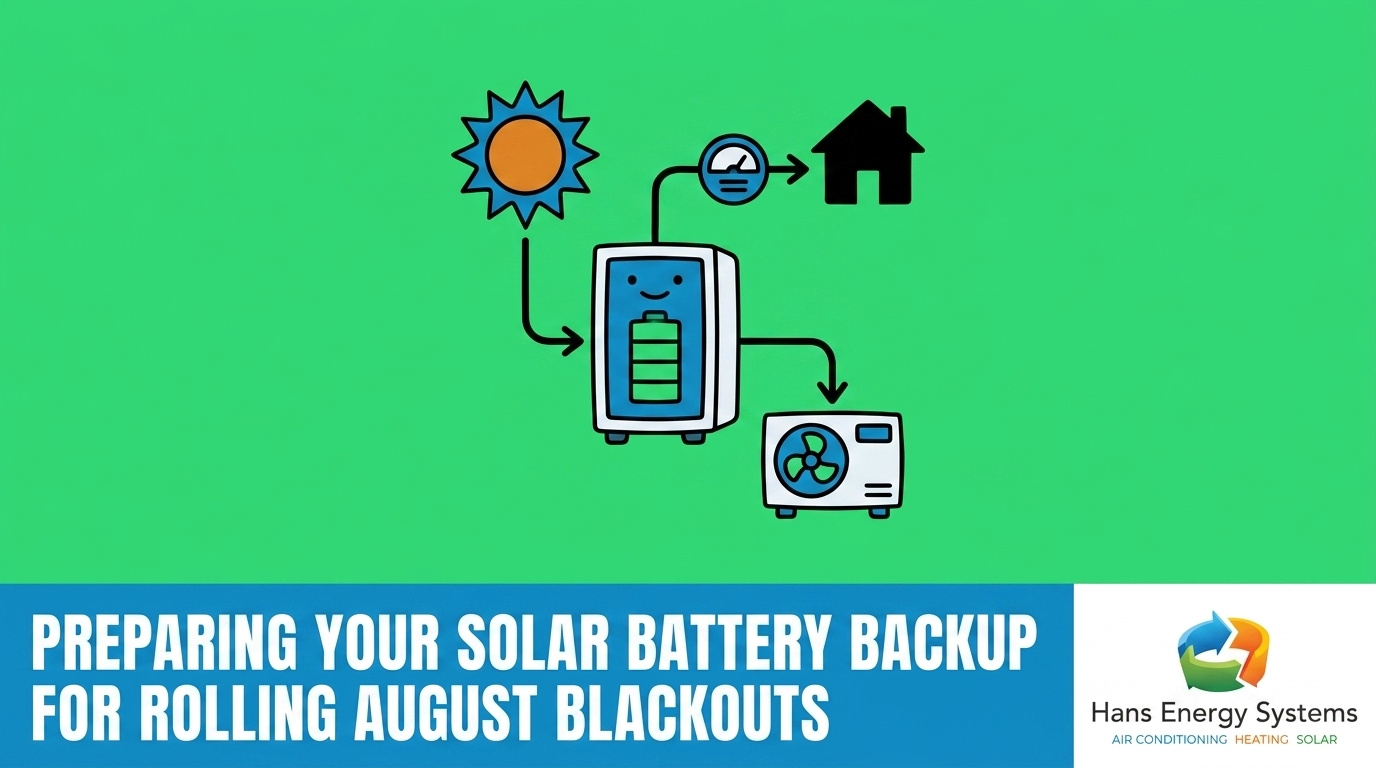
One of the most powerful inflation reduction act benefits for California homeowners is the 25D Residential Clean Energy Property Credit. This is a 30% uncapped tax credit for solar panels and battery storage.
In 2026, there’s a major update you should know about: standalone battery storage systems with a capacity of at least 3 kWh now qualify for the full 30% credit, even if they aren’t paired with solar. This is a game-changer for grid reliability in areas like Rancho Bernardo or Scripps Ranch, where backup power is a high priority.
By combining solar with battery storage, you can navigate California’s NEM 3.0 billing structure more effectively, storing your own clean energy to use when utility rates are at their peak. For more details on local programs, check our guide on California Solar Incentives.
Federal Tax Credits for Energy Efficiency and Transportation
While rebates have income limits and funding caps, federal tax credits are available to almost everyone. The 25C Energy Efficient Home Improvement Credit offers an annual limit of $3,200. This is not a lifetime cap, which means you can strategically spread your upgrades over several years. For example, you could install energy-efficient windows one year and a heat pump the next to maximize your returns.
Key 25C limits include:
- $2,000 per year for heat pumps and heat pump water heaters.
- $1,200 per year for weatherization (insulation, windows, and doors).
- $150 for a professional home energy audit.
For those looking to upgrade their commute, the IRA provides up to $7,500 for new electric vehicles (30D) and $4,000 for used EVs (25E). These credits can often be transferred to the dealer at the point of sale, acting as an immediate discount. Additionally, bidirectional chargers—which allow your car to power your home during an outage—are now eligible for tax incentives under the 30C credit in certain areas. Our Solar Panels Poway Guide provides further insight into integrating these technologies.
Stacking State Incentives with Federal IRA Programs
The “secret sauce” to maximum savings is “stacking.” This means combining federal IRA benefits with California’s own robust incentive programs.
Programs like TECH Clean California and Equitable Building Decarbonization provide additional layers of rebates specifically for electrification. If you are looking at battery storage, the Self-Generation Incentive Program (SGIP) can offer significant rebates that work alongside the 30% federal tax credit.
We also recommend looking into Financing Poway CA options like GoGreen Financing. These state-backed, low-interest loans can help cover the upfront costs of your project, allowing you to pay it off using the money you save on your monthly utility bills.
Consumer Protection: Applying Safely and Avoiding Scams
With so much money on the table, it’s important to stay vigilant. The California Energy Commission has warned of “unscrupulous people” attempting to scam homeowners. To protect yourself, always follow these steps:
- Use “The Switch Is On” Portal: Only work with TECH-certified and HEEHRA-trained contractors. These professionals have the specific “HEEHRA badge” on their profiles.
- Reservation First: For rebates, your contractor must submit a reservation request and receive approval before work begins. If you start without a reservation, you may not get the funding.
- Verify Income: Use official state portals to get your income verification code. Never give your financial information to someone who knocks on your door promising “free government money.”
- Beware of Fees: No legitimate government program will ask you for an upfront “processing fee” to secure a rebate.
Frequently Asked Questions about California IRA Benefits
Are renters and landlords eligible for these incentives?
Yes! Renters can qualify for rebates on portable appliances like heat pump clothes dryers and window-unit heat pumps. Landlords of multifamily properties are also eligible for significant incentives—up to $14,000 per unit—to upgrade their buildings, which helps lower operating costs and improves property value.
How do I determine my Area Median Income (AMI) for rebate tiers?
Rebate amounts are tiered based on your household income relative to your county’s AMI. Households earning less than 80% of the AMI qualify for the maximum (100%) rebate, while those between 80% and 150% AMI qualify for partial (50%) rebates. You can check your specific AMI tier through the official HEEHRA eligibility portals.
Can I combine federal tax credits with state-level rebates?
Absolutely. In fact, this is the recommended strategy. Typically, you apply the state or utility rebate first to lower the purchase price, and then you claim the 30% federal tax credit on the remaining out-of-pocket balance.
Conclusion
Navigating the inflation reduction act benefits for California homeowners might seem complex, but the long-term rewards are undeniable. From more comfortable indoor temperatures during those San Diego heatwaves to significantly lower monthly bills, the transition to a cleaner, more efficient home is a win for your wallet and the community.
At Hans Energy Systems, we are proud to serve our neighbors from Poway to Chula Vista and everywhere in between. Whether you are looking for a high-efficiency HVAC system, a new heat pump water heater, or a complete solar and battery setup, we are here to help you maximize your savings and improve your home comfort.
Ready to see how much you can save? Explore the latest California Solar Incentives and let’s get started on your home’s transformation today.