
Heat Pump Maintenance Tips for Homeowners: What You Need to Know Before You Start
Following the right heat pump maintenance tips for homeowners can mean the difference between a system that lasts 15 to 20 years and one that needs replacing a decade too soon. Here is a quick look at the most important steps you can take:
Quick-Reference Heat Pump Maintenance Checklist:
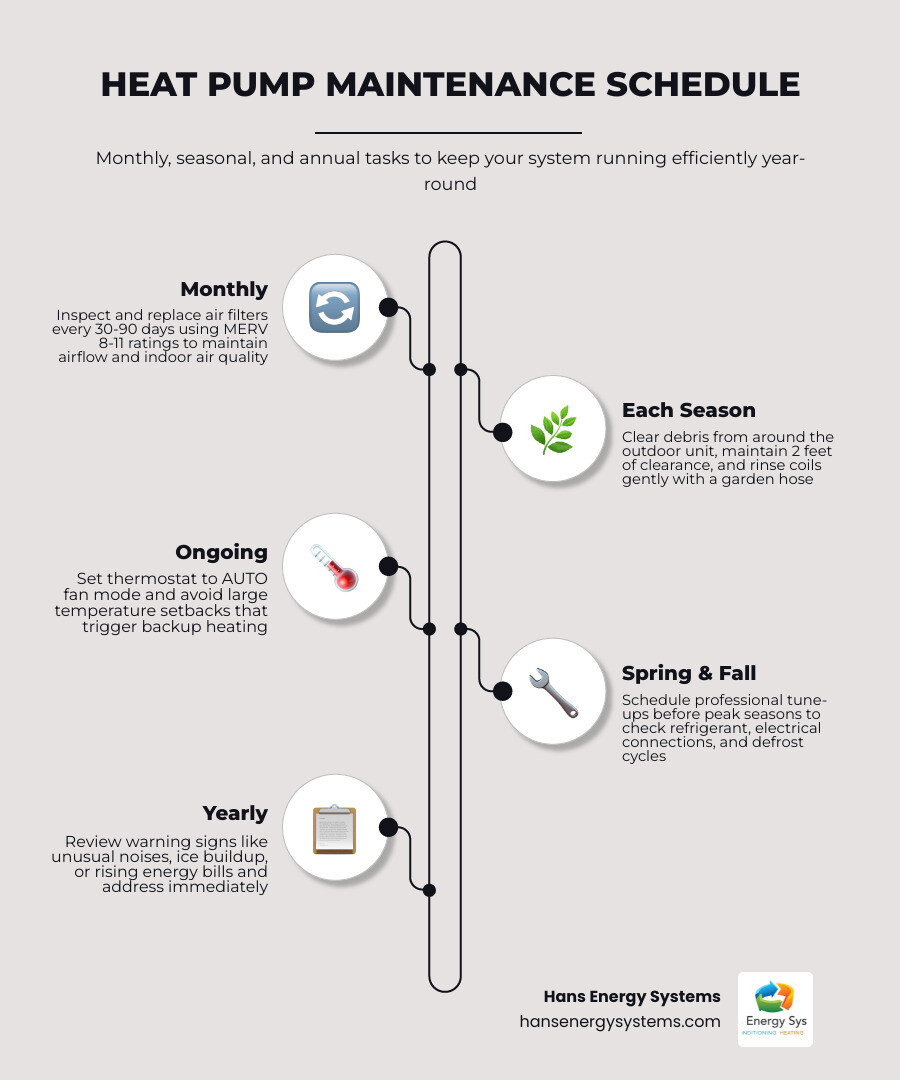
- Change air filters every 30 to 90 days (use MERV 8-11 filters)
- Clear the outdoor unit — keep at least 2 feet of space on all sides
- Use AUTO fan mode on your thermostat, not continuous
- Avoid large temperature setbacks that trigger backup heating
- Rinse outdoor coils gently with a garden hose each season
- Check for warning signs — unusual noises, ice buildup, or rising energy bills
- Schedule professional service at least once a year, ideally in spring and fall
Your heat pump works year-round. Unlike a furnace or air conditioner that only runs one season, a heat pump handles both heating and cooling — which means it faces twice the wear of most HVAC systems. That constant use adds up fast, especially when small maintenance steps get skipped.
The numbers are hard to ignore. A well-maintained system can run 15 to 20 years. A neglected one often needs replacement after just 10 to 12 years. And according to U.S. Department of Energy data, a dirty filter alone can push energy use up by as much as 15 percent — while a severely neglected system overall can consume 10 to 25 percent more energy than one that gets regular care.
Most of that wear is preventable. Simple habits — clean filters, clear surroundings, smart thermostat use, and one professional tune-up per year — protect your investment and keep your home comfortable through every San Diego season.
Why Regular Care Matters for Your Home Comfort System
When your heat pump is running smoothly, it is easy to forget about it. It sits quietly outside your home, keeping you cool during a warm inland summer afternoon in Poway and cozy during those chilly coastal winter evenings in Carlsbad. However, because a heat pump is a dual-action system, it never truly gets an “off-season.”
Without consistent care, the physical components of your system begin to drift out of alignment. Airflow drops, mechanical friction increases, and the heat transfer process becomes sluggish. Over time, this lack of attention leads to a cascading series of problems:
- Shortened Equipment Lifespan: A heat pump that has to struggle against clogged filters and dirty coils will run hotter and longer. This extra strain cuts years off the life of the compressor—the expensive heart of your system.
- Degraded Air Quality: Your heat pump circulates the air you breathe. When dust, pet dander, and pollen build up inside the air handler, they are blown right back into your living spaces.
- Airflow Imbalance: When dust blocks the indoor evaporator coil or the registers, your system cannot distribute air evenly. You will notice hot and cold spots developing throughout your home.
Taking a proactive approach to your home comfort system is the best way to keep these issues at bay. Just as you wouldn’t drive your car for years without an oil change, you shouldn’t let your heat pump run without routine upkeep. For more details on why proactive care is so critical for year-round systems, check out our guide on Preventative AC Maintenance.
Maximizing Efficiency with Heat Pump Maintenance Tips for Homeowners
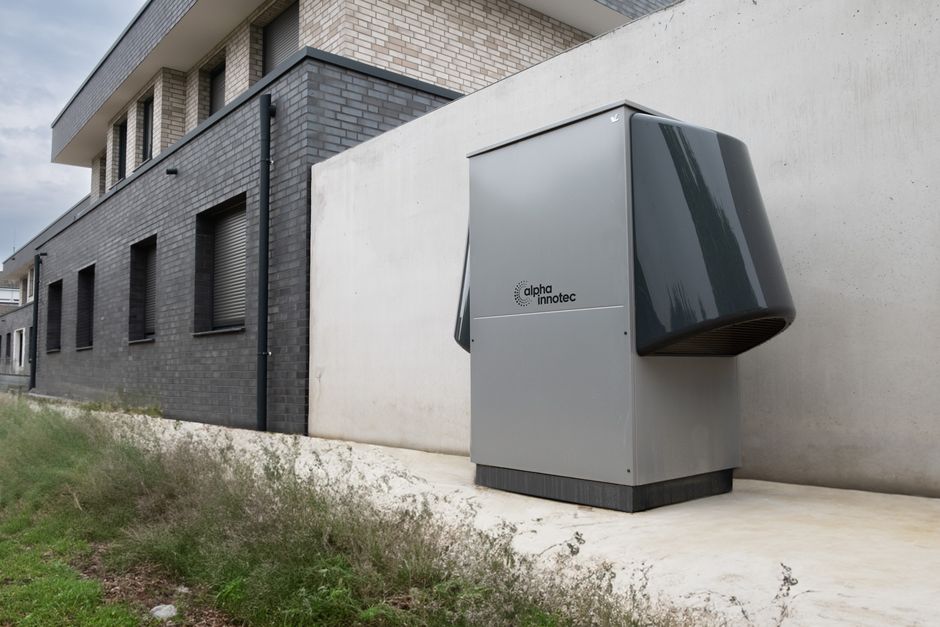
When we talk about heat pump efficiency, we are talking about your monthly utility bills. Heat pumps are incredibly efficient because they move heat rather than creating it. In the summer, they collect the heat from inside your home and dump it outside. In the winter, they do the exact opposite, extracting ambient warmth from the outdoor air and pumping it indoors.
But this elegant process relies entirely on clean, unobstructed surfaces. If the outdoor condenser coil is caked in dust or blocked by overgrown shrubs, the heat transfer process slows to a crawl. Your system has to run much longer to achieve the temperature you set on the thermostat.
By putting a few simple heat pump maintenance tips for homeowners into practice, you can reduce system stress and keep your energy consumption as low as possible. Studies show that proper maintenance can improve system efficiency by up to 35 percent while reducing the likelihood of sudden, inconvenient breakdowns by 75 percent. Keeping your system finely tuned is the single best way to ensure you are getting the maximum comfort for every dollar spent on your utility bill. To learn more about local maintenance best practices, explore our resource on HVAC Poway CA HVAC Maintenance.
Essential DIY Heat Pump Maintenance Tips for Homeowners
You do not need to be an HVAC expert to keep your heat pump in great shape. In fact, some of the most impactful maintenance tasks are completely safe and easy for homeowners to do themselves.
Before you perform any physical maintenance on your system, always prioritize safety. For any task that involves opening the air handler cabinet or cleaning near the electrical components of the outdoor unit, turn off the power at the main breaker panel or the local outdoor disconnect switch. Once the power is safely cut, you can confidently walk through these basic upkeep steps.
Air Filter Care and MERV Ratings
If you only do one thing for your heat pump, make it this: check and replace your air filter regularly. A clogged air filter restricts airflow, forcing the blower motor to work much harder. This not only wastes energy but can also cause your indoor coils to freeze up, leading to a complete system shutdown.
- How Often to Change: For most households, replacing disposable filters or cleaning reusable ones every 30 to 90 days is the standard. If you have pets, live in a dusty area, or suffer from allergies, you should check the filter monthly and replace it as soon as it looks gray or opaque.
- Choosing the Right MERV Rating: Minimum Efficiency Reporting Value (MERV) ratings measure how effectively a filter traps airborne particles.
- MERV 1 to 4: Basic fiberglass filters. They protect the system from large dust bunnies but do very little for your indoor air quality.
- MERV 8 to 11: The sweet spot for residential heat pumps. These pleated filters capture pollen, pet dander, and mold spores without restricting the airflow your system needs to breathe.
- MERV 13 to 16: High-efficiency filters. While excellent for severe allergy sufferers, these can be too thick for standard residential systems. Unless your system is specifically designed for them, they can restrict airflow and strain your blower motor.
When replacing your filter, always look for the airflow arrows printed on the frame. Make sure they point in the direction of the air flowing toward the air handler unit.
Keeping the Outdoor Unit Clear of Debris
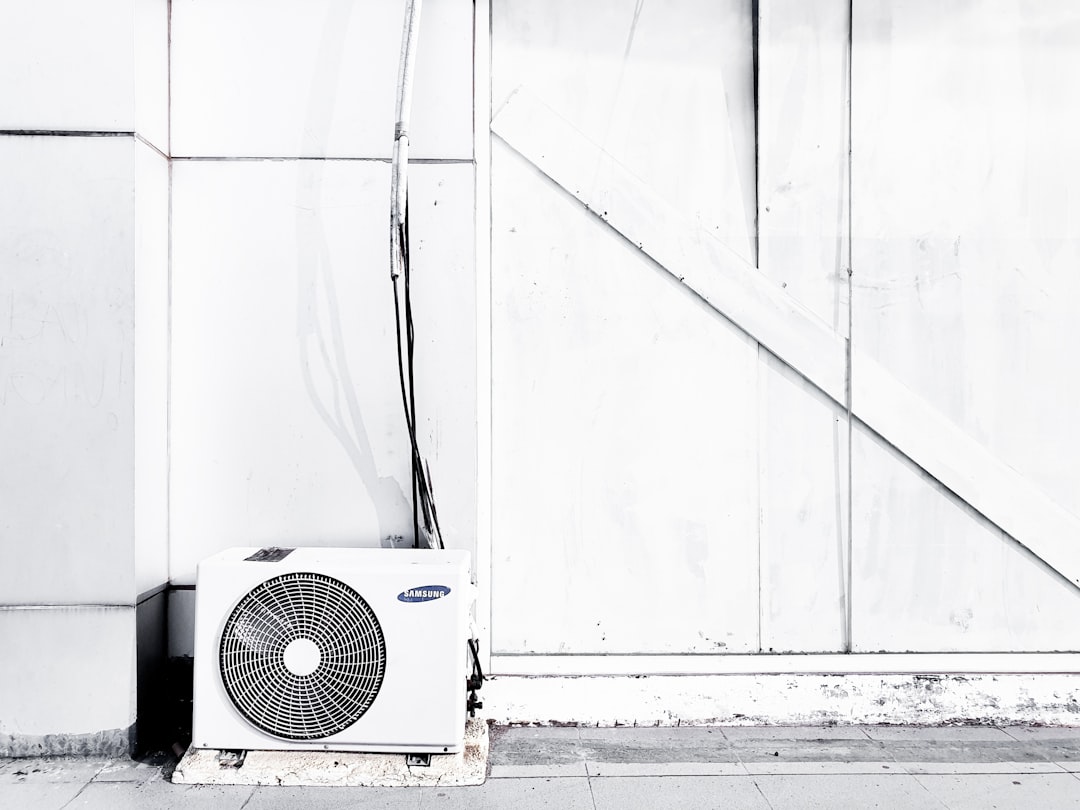
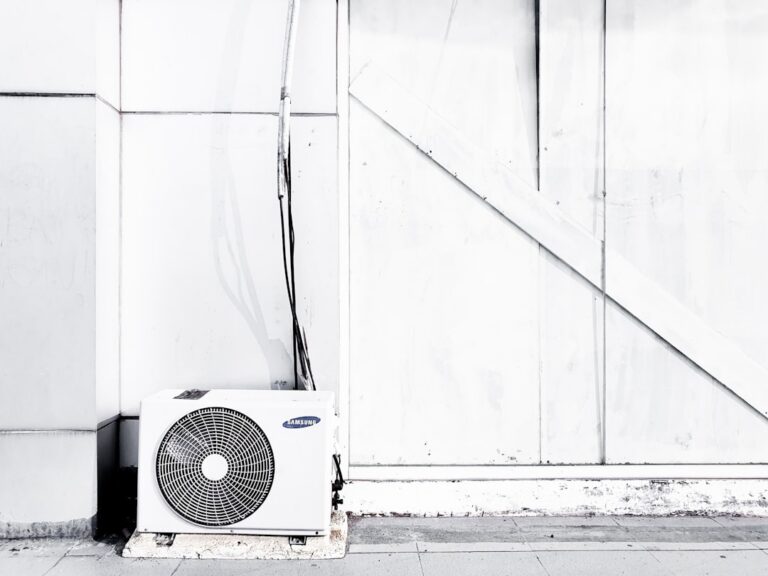
Your outdoor unit needs to breathe just as much as the indoor unit. Because it sits outside year-round, it is constantly exposed to the elements. Dust, leaves, grass clippings, and weeds can easily collect around the cabinet, blocking the vital airflow across the condenser coils.
- Maintain a Clear Zone: Keep a minimum of 2 feet of clear space on all sides of the outdoor unit, and at least 5 feet of vertical clearance above it.
- Control Vegetation: Trim back any nearby bushes, vines, or low-hanging tree branches. When mowing your lawn, always point the mower discharge chute away from the unit to prevent grass clippings and dirt from packing into the delicate aluminum fins.
- Gently Clean the Coils: If you notice dirt or dust building up on the outdoor coils, turn off the power to the unit and gently rinse the exterior with a garden hose. Never use a pressure washer, as the high pressure will instantly bend and damage the soft aluminum fins.
If you happen to spot any bent fins, you can use a specialized tool called a fin comb to gently straighten them out and restore proper airflow. For more tips on keeping your outdoor system clean and clear, take a look at our guide on HVAC Poway CA AC Maintenance.
Optimizing Thermostat Settings and Fan Modes
Many homeowners treat their heat pump like a traditional gas furnace, but heat pumps require a slightly different approach to maximize efficiency. How you interact with your thermostat plays a major role in your system’s overall performance and lifespan.
- Use the “AUTO” Fan Setting: Your thermostat’s fan setting has two main options: “ON” and “AUTO.”
- In the ON mode, the indoor blower fan runs continuously, even when the system isn’t actively heating or cooling. This can increase energy consumption and introduce unwanted humidity back into your home during the summer.
- In the AUTO mode, the fan only runs when the system is actively conditioning the air. This is highly recommended for standard residential systems to keep operating costs down and reduce unnecessary wear on the blower motor.
- Avoid Large Temperature Setbacks: With a gas furnace, turning the thermostat down 8 to 10 degrees while you are asleep or away is a great way to save money. With a heat pump, this habit can backfire. If you raise the temperature setting by more than 2 or 3 degrees at once in the winter, the heat pump may assume it cannot keep up and will engage its auxiliary (backup) electric resistance heating. Auxiliary heat is much less efficient and can cause your utility bills to spike. Instead, set a comfortable, consistent temperature and leave it there, or use a smart thermostat designed specifically to ramp up heat pump temperatures gradually without triggering the backup heat.
When to Schedule Professional Service
While DIY care keeps your system running day-to-day, a professional eye is essential to catch hidden issues before they turn into costly breakdowns. Because heat pumps operate in both heating and cooling modes, we recommend scheduling a professional tune-up twice a year: once in the spring to prepare for summer cooling, and once in the fall to get ready for winter heating.
Regular professional maintenance acts as an insurance policy for your home comfort. It keeps your system operating at peak performance, keeps your utility bills predictable, and ensures your manufacturer’s warranty remains valid (as many manufacturers require proof of annual professional service to honor warranty claims). To understand what goes into a professional visit, read our HVAC Maintenance Poway Guide 2025.
Professional Tasks vs. DIY Heat Pump Maintenance Tips for Homeowners
While homeowners can easily handle superficial cleaning and filter changes, internal mechanical and electrical work must be left to licensed professionals. Working with high-voltage electrical connections and pressurized refrigerants is dangerous and, in the case of refrigerant handling, requires EPA certification.
Here is a breakdown of how DIY tasks compare to the specialized work our certified technicians perform during a professional tune-up:
| Maintenance Task | Homeowner (DIY) | Professional Technician |
|---|---|---|
| Change Air Filters | Yes (Every 30-90 Days) | Yes (As part of service) |
| Clear Debris & Vegetation | Yes (Maintain 2-ft clearance) | Yes (Deep coil cleaning) |
| Straighten Bent Coil Fins | Yes (With a fin comb) | Yes |
| Check Refrigerant Levels | No | Yes (Using digital manifold gauges) |
| Inspect Electrical & Tighten Terminals | No | Yes (Check contacts and capacitors) |
| Flush Condensate Drain Lines | No | Yes (Clear blockages & treat mold) |
| Test Reversing Valve & Defrost Cycle | No | Yes (Verify heating/cooling switch) |
| Calibrate Thermostat & Sensors | No | Yes |
A professional service visit goes deep into the system’s mechanics. For example, checking the refrigerant charge is a delicate process because the optimal levels actually differ between heating and cooling modes. Our technicians evaluate the system’s balance across both cycles to ensure seamless operation year-round. Learn more about our comprehensive service offerings by visiting our HVAC Poway CA Heat Pump Service page.
Signs Your System Needs Immediate Repair
Even with the best maintenance habits, mechanical parts can eventually wear out. Knowing the warning signs of a failing heat pump allows you to call for assistance before a minor issue turns into a complete system failure.
- Unusual Noises: Heat pumps make a gentle, consistent humming sound when running. If you start hearing loud rattling, grinding, squealing, or hissing, something is wrong. A rattling sound could indicate a loose panel or fan blade, while hissing often points to a refrigerant leak.
- Short Cycling: If your heat pump turns on and off every few minutes without ever completing a full heating or cooling cycle, it is short cycling. This places immense strain on the compressor and is often caused by restricted airflow, a malfunctioning thermostat, or an oversized system.
- Ice Buildup: While a light layer of frost can occasionally form on the outdoor coils during cold winter mornings, it should quickly melt during the system’s automatic defrost cycle. If you see thick ice building up on the outdoor unit in the winter, or on the indoor coils during the summer, turn the system off immediately and call for service. Running a frozen system can permanently damage the compressor.
- Uneven Temperatures: If some rooms in your home feel like an oven while others are freezing, your system is struggling to distribute air effectively. This could be due to ductwork leaks, a failing blower motor, or an imbalanced refrigerant charge.
If you notice any of these red flags, it is time to have a professional diagnose the issue. For expert assistance with system issues or to explore replacement options, check out our guide on HVAC Poway CA Heat Pump Installation.
Frequently Asked Questions About Heat Pump Care
How often should I clean or replace my heat pump filters?
For most homes, replacing or cleaning air filters every 30 to 90 days is ideal. However, this timeline depends heavily on your household. If you have pets that shed, live in an area with high outdoor dust, or have family members with asthma or allergies, you should inspect your filter every 30 days and replace it as soon as it shows signs of dirt buildup. Keeping a fresh filter in place is the single easiest way to protect your indoor air quality and maintain proper system airflow.
Why is my heat pump freezing up in the winter?
A light frost on the outdoor coils in cold weather is normal. Your heat pump has a built-in defrost control board that automatically switches the system into cooling mode for a few minutes to warm up the outdoor coils and melt the frost. However, if the unit becomes completely encased in thick ice, the defrost cycle has likely failed. This can be caused by a faulty defrost sensor, a bad reversing valve, restricted outdoor airflow (from leaves or snow), or low refrigerant levels. If your unit is heavily iced over, turn it off to prevent compressor damage and contact a professional.
Is a professional maintenance plan worth it?
Yes, a professional maintenance plan is highly recommended for most homeowners. These plans typically include two pre-scheduled tune-ups per year, ensuring your system is prepared for both the peak heating and cooling seasons. Beyond the convenience of automatic scheduling, maintenance plan members often receive priority scheduling for service calls and discounts on repairs. It is a proactive, stress-free way to protect your home comfort investment and keep your monthly energy bills as low as possible. Explore our options on our HVAC Maintenance Plan Poway CA page.
Conclusion
Taking care of your heat pump does not have to be complicated. By making a few simple adjustments—like staying on top of your air filter changes, keeping the outdoor unit clear of debris, and setting your thermostat to AUTO fan mode—you can enjoy a more comfortable home, lower energy bills, and a system that lasts for years to come.
At Hans Energy Systems, we are dedicated to helping San Diego County homeowners keep their heating, cooling, and solar systems running efficiently. Whether you need a quick seasonal tune-up in Poway, a repair in Rancho Bernardo, or are looking to upgrade to a modern, high-efficiency heat pump system in Carlsbad, our team of reliable home comfort experts is here to help.
Ready to maximize your system’s performance and enjoy worry-free comfort all year long? Contact us today to schedule your next maintenance visit, or visit our HVAC Poway CA Heat Pump page to learn more about how we can help you optimize your home’s climate control.