
Why Learning How to Prepare for the Shift to Low GWP Refrigerants Matters for Your Home
Knowing how to prepare for the shift to low GWP refrigerants could save you from a stressful, expensive AC breakdown at the worst possible time — like during a San Diego heat wave. The HVAC industry has already crossed a major threshold. As of January 2025, manufacturers can no longer produce new equipment using R-410A, the refrigerant found in most home air conditioners for the past two decades. The transition to lower-impact alternatives is not a future event. It is happening right now, and it affects every homeowner with an older cooling system.
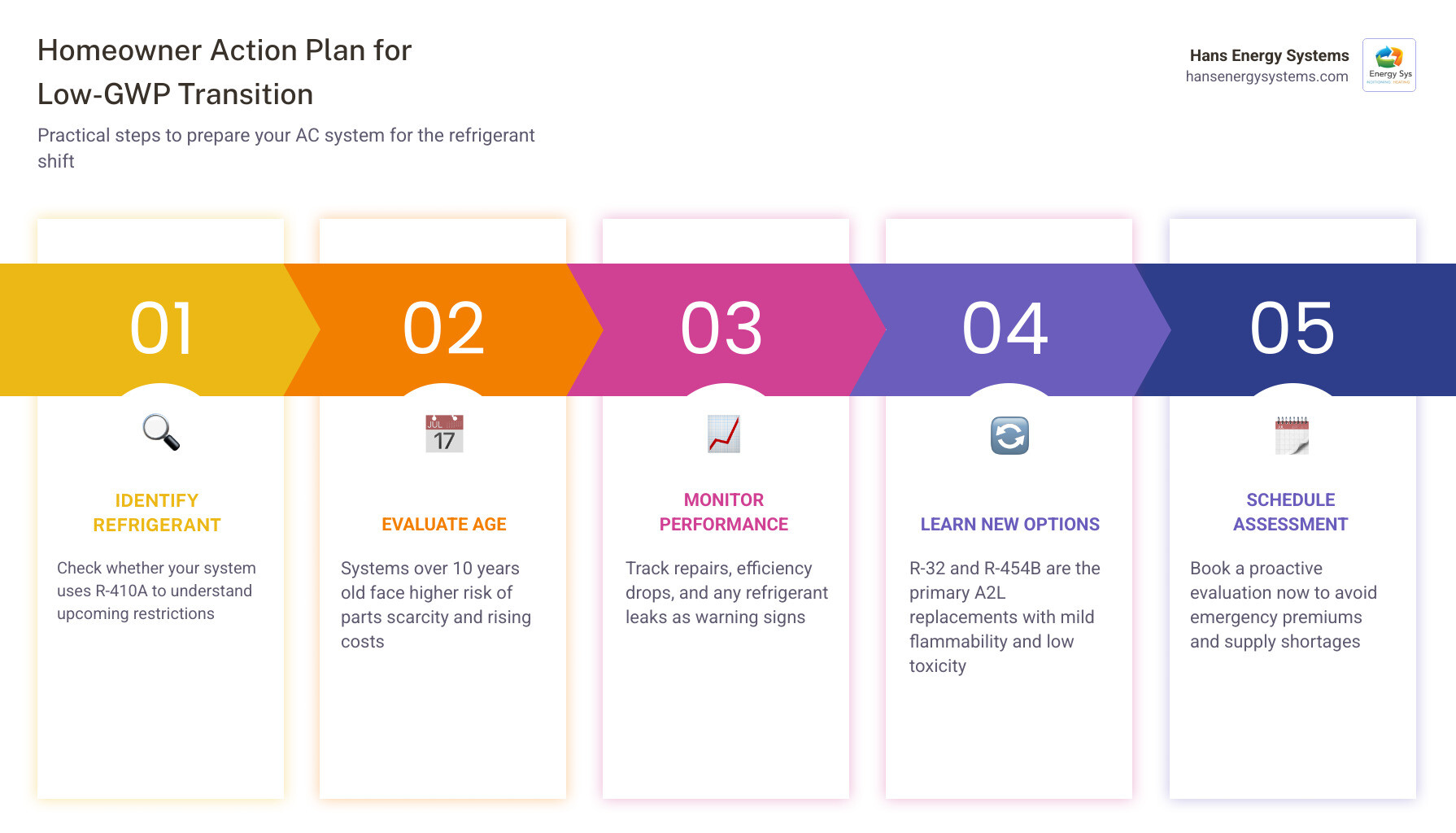
Here is how to prepare for the low-GWP refrigerant shift as a homeowner:
- Check your current refrigerant — Find out if your system uses R-410A, which is now subject to phasedown restrictions.
- Assess your system’s age — Systems over 10 years old are strong candidates for replacement before R-410A parts become harder to source.
- Watch for warning signs — Frequent repairs, rising energy bills, or known refrigerant leaks all signal it is time to act.
- Understand the new options — R-32 and R-454B are the primary low-GWP replacements approved for residential use, both classified as A2L (mildly flammable but low toxicity).
- Plan ahead, not in a crisis — Scheduling a proactive assessment now avoids urgency premiums and equipment shortages as demand for compliant systems rises.
- Work with trained professionals — New refrigerants require updated installation and service protocols, so choosing a qualified contractor matters more than ever.
The core issue is timing. R-410A prices have already climbed sharply since the phasedown began, and the next major supply reduction hits in 2029. Homeowners who plan now avoid the double pressure of rising service costs and shrinking equipment availability. The good news is that newer systems running low-GWP refrigerants are also significantly more energy-efficient, which means lower monthly bills alongside a smoother compliance path.
Understanding the Regulatory Timeline for Eco-Friendly Cooling
The shift toward eco-friendly cooling is driven by federal legislation designed to protect our atmosphere. The American Innovation and Manufacturing (AIM) Act of 2020 directs the Environmental Protection Agency (EPA) to phase down the production and consumption of hydrofluorocarbons (HFCs) by 85% by the year 2036.
Because traditional HFC refrigerants like R-410A are highly potent greenhouse gases, the EPA has established strict limits on their Global Warming Potential (GWP). In the residential sector, the EPA has set a GWP ceiling of 700 for new air conditioning and heat pump systems.
As we navigate the landscape in June 2026, the transition is fully underway. Manufacturers have shifted their production lines entirely to compliant systems. If you have been considering an HVAC System Upgrade for your home, understanding these regulatory waves is the first step in making a smart, future-proof decision.
Key Compliance Deadlines for Homeowners
While the manufacturing ban on new R-410A residential systems went into effect on January 1, 2025, there is a grace period for installing existing stock. This “sell-through” window allows previously manufactured R-410A systems to be installed for a limited time. However, as those inventory reserves dry up, finding legacy equipment is becoming increasingly difficult.
Furthermore, California building codes have updated to incorporate strict guidelines for installing systems that use modern, eco-friendly refrigerants. These local codes ensure that any new unit meets precise structural, electrical, and ventilation standards.
If you are trying to figure out When to Replace Your AC System in Poway, keep in mind that waiting too long means you will face a rapidly shrinking supply of legacy parts and a highly restricted market for reclaimed R-410A gas. The steepest drop in HFC production allowances is scheduled for 2029, which will trigger a dramatic supply squeeze for servicing older units.
Approved Low-GWP Alternatives
To replace high-GWP refrigerants, the industry has turned to a new generation of cooling fluids. For residential homes, the two primary contenders are R-32 and R-454B.
- R-32: A single-component refrigerant with a GWP of 675 (representing a 68% reduction compared to R-410A). Because it is a single fluid, it is easier to reclaim and recycle.
- R-454B: A blend with an even lower GWP of 466. It is highly compatible with modern compressor designs and offers excellent thermodynamic performance.
Both of these options fall under the A2L safety classification. The “A” stands for low toxicity, the “2” indicates flammability, and the “L” means “mildly flammable” or low burning velocity. Unlike highly flammable A3 refrigerants (such as propane or R-290, which are limited to small, self-contained commercial appliances), A2L fluids are incredibly difficult to ignite and are fully approved for whole-home ducted systems when paired with updated safety components.
When you review our AC Installation Poway CA Guide, you will see that modern systems are engineered from the ground up to handle these specific fluids safely and efficiently.
How to Prepare for the Shift to Low GWP Refrigerants
Proactive planning is the secret to a stress-free transition. Instead of waiting for your air conditioner to fail on a scorching July afternoon, taking charge of your home comfort now ensures you can make a calculated, budget-friendly decision.
A thorough home comfort assessment is the foundation of this preparation. By reviewing your home’s insulation, ductwork, and current cooling performance, you can determine exactly what size and type of system will serve you best in the coming years.
To keep your current system running smoothly while you plan your next steps, enrolling in a structured HVAC Maintenance Plan Poway CA is highly recommended. Regular maintenance keeps leaks at bay and ensures you aren’t wasting energy on an underperforming system.
Step-by-Step Guide on How to Prepare for the Shift to Low GWP Refrigerants
If you want to know exactly how to prepare for the shift to low GWP refrigerants, follow this practical, step-by-step checklist:
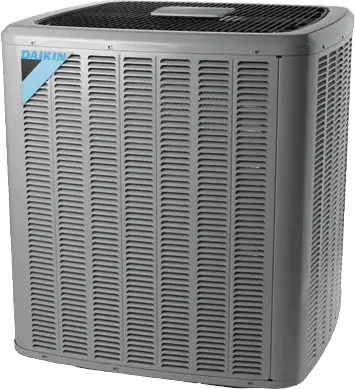
- Audit your current equipment: Locate the manufacturer’s data plate on your outdoor condenser. Identify the refrigerant type (it will typically say R-22 or R-410A) and note the manufacture date.
- Track your system’s repair history: Check your records for past refrigerant leaks. Systems that leak frequently will become increasingly expensive to maintain as R-410A supplies dwindle.
- Assess your ductwork: Modern low-GWP systems rely on precise airflow. Ensuring your ducts are sealed and properly sized will maximize your new system’s efficiency.
- Consult our comprehensive guide: For a deeper dive into troubleshooting and maintaining your current setup, refer to our AC Repair Poway Ultimate Guide.
- Schedule a professional consultation: Have an expert evaluate your home’s electrical capacity and physical space to ensure compatibility with modern A2L equipment.
Key Safety and Equipment Standards for Homeowners
Because A2L refrigerants are mildly flammable, equipment manufacturers have redesigned systems with advanced safety features. Modern indoor evaporator coils now feature integrated leak detection sensors. If a sensor detects even a minor refrigerant leak, it automatically shuts off the compressor and activates the indoor fan to safely disperse the gas, preventing it from reaching flammable concentrations.
Additionally, local building codes may dictate specific ventilation and clearance requirements around your outdoor condenser and indoor air handler. These safety protocols are highly effective, but they require specialized installation practices.
When you invest in Professional AC Installation for Your Home, our technicians ensure that every safety switch, sensor, and ventilation pathway is calibrated perfectly to protect your household and comply with California’s strict environmental safety laws.
Evaluating Your Home’s AC: Retrofit vs. Replacement Decisions
When faced with an aging air conditioner, homeowners typically have to decide whether to repair, retrofit, or completely replace their equipment.
To make an informed choice, you must weigh several factors:
- Age: If your system is over 10 to 12 years old, it is approaching the end of its typical operational lifespan.
- Condition: A system that requires frequent service calls or has a history of compressor issues is a liability.
- Remaining Useful Life: If your R-410A system is only 4 years old and runs perfectly, there is no need to rush into a replacement. Regular maintenance will keep it viable for years to come.
For a complete breakdown of what to look out for, read through our guide on the Warning Signs AC Needs Replacement in Poway.
Why Homeowners Ask How to Prepare for the Shift to Low GWP Refrigerants
The primary driver behind the curiosity about how to prepare for the shift to low GWP refrigerants is the economic reality of the HFC phasedown. As the supply of virgin R-410A is restricted, the cost of sourcing this refrigerant for repairs has risen significantly. Homeowners with leaking systems are finding that simple recharges are becoming a major financial burden.
Additionally, sourcing replacement parts for older R-410A systems is becoming more difficult as manufacturers focus their supply chains on newer low-GWP platforms.
On the flip side, transitioning to a modern system unlocks massive energy efficiency gains. Upgrading an older, inefficient unit to a new low-GWP system can reduce your cooling energy consumption by 15% to 30%, resulting in substantial utility savings.
If you are ready to explore your options, our team can guide you through the process of HVAC Poway CA AC Replacement to find a system that fits your home’s unique footprint.
Choosing the Right Path for Your Poway Home
Can you simply drain your old R-410A system and fill it with R-32 or R-454B? The short answer is no.
A2L refrigerants are not “drop-in” replacements. They operate under different pressures, require different compressor lubricants, and rely on specialized electrical components designed to eliminate ignition sources. Attempting to run an A2L refrigerant in a system designed for R-410A is a safety hazard and will void your equipment’s warranty.
Therefore, retrofitting is rarely a viable or cost-effective path for residential systems. A full AC Replacement is almost always the safest, most reliable, and most energy-efficient choice. By replacing both the indoor and outdoor units, you ensure complete component compatibility, gain a fresh manufacturer’s warranty, and secure long-term peace of mind.
Frequently Asked Questions About the Low-GWP Transition
Can I still service my existing R-410A air conditioner?
Yes, you can absolutely continue to service your existing R-410A system. The EPA’s regulations do not mandate that homeowners pull out working R-410A units. Servicing will rely primarily on reclaimed and recycled R-410A refrigerant.
However, as the supply of virgin refrigerant decreases, the cost of these services will continue to rise. Keeping your system leak-free through our professional HVAC Poway CA AC Service is the best way to protect your budget if you plan to keep your current unit running.
Are the new low-GWP A2L refrigerants safe for my home?
Yes, they are exceptionally safe. While they carry a “mildly flammable” classification, they are incredibly difficult to ignite. In fact, standard household items like a match or a spark from a light switch do not produce enough energy to ignite A2L fluids.
Furthermore, residential HVAC systems designed for A2Ls are built with redundant safety controls, including leak detection sensors and spark-proof electrical enclosures, ensuring they meet the highest safety standards.
How do I know if my AC needs to be replaced before the transition?
If your system is over a decade old, requires frequent repairs, or struggles to keep your home comfortable on hot days, it is likely time for an upgrade. Additionally, if you have a known refrigerant leak, the rising cost of R-410A makes replacement a much more logical financial decision than continuing to patch an old, inefficient system.
Conclusion
The shift to low-GWP refrigerants is a positive step for our environment, and with a little proactive planning, it can be a seamless transition for your home. By understanding the timeline, auditing your current system, and partnering with experienced professionals, you can secure reliable, energy-efficient comfort for your family for years to come.
At Hans Energy Systems, we are dedicated to helping our neighbors in Poway and the greater San Diego area navigate these industry updates with ease. Whether you need a routine tune-up, a quick repair, or a complete system upgrade, our team is here to provide exceptional, reliable service.
Ready to assess your home’s cooling system? Contact us today to schedule a comprehensive consultation or book a professional AC Repair to keep your home perfectly comfortable all year long!