
The Hidden Cause of Late-Summer Cooling Failures
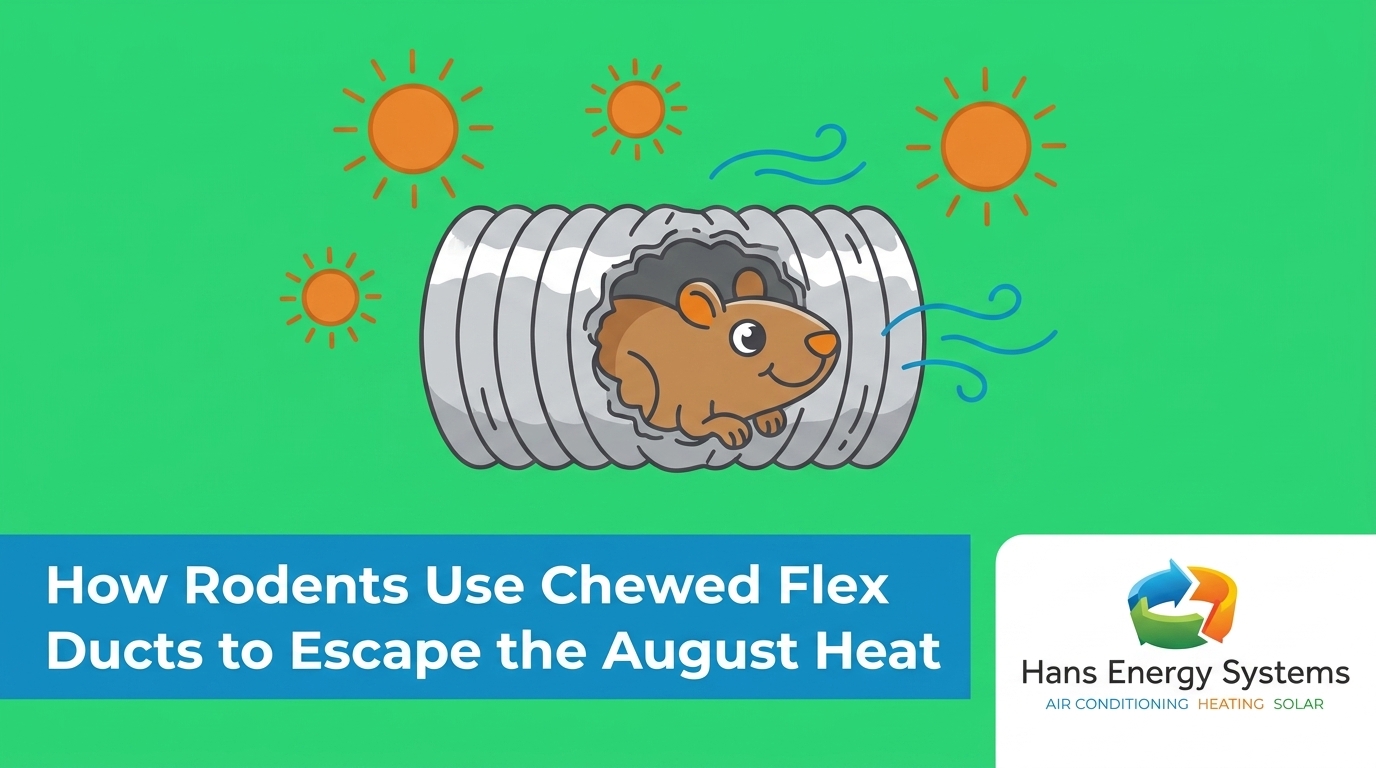
If your AC is running nonstop but the house still feels uncomfortably warm, understanding exactly how rodents use chewed flex ducts to escape the August heat can save you from a costly misdiagnosis. You check the vents, and the air coming out is barely a weak breeze. During the grueling late-summer heat, most homeowners immediately assume the worst: the aging compressor has finally failed, or the refrigerant has completely leaked out. But often, the mechanical equipment sitting outside your home is working perfectly fine. The real issue lies hidden above your ceiling. The conditioned air you are paying to generate is escaping before it ever reaches your living room. If you notice strange odors or a sudden drop in cooling power, the solution often starts with a professional attic duct inspection rather than a panicked equipment replacement. Getting to the root of the problem requires comprehensive AC repair services to evaluate the entire air distribution network.
Why Assumptions Lead to Wasted Energy
When the house refuses to cool down, the natural reaction is to walk over to the thermostat and drop the target temperature by a few degrees. Unfortunately, cranking down the thermostat only forces the blower motor to work harder without actually improving your indoor comfort. The thermostat merely acts as an on/off switch; setting it lower does not make the air colder, it just demands that the system run longer.
The diagnostic trap: In our years of serving Poway, the team at Hans Energy Systems has seen countless homeowners spend weeks dealing with a struggling system, assuming they just need to replace an old outdoor unit. They hear the outdoor fan spinning and the indoor blower running, yet the bedrooms remain hot. Diagnosing the true root cause prevents unnecessary equipment replacement panic. If the air handler is pushing 55-degree air into the ductwork, but only a fraction of that air makes it to the supply registers, the failure is structural, not mechanical. Recognizing this distinction saves immense amounts of wasted electrical energy and prevents a premature death for your HVAC equipment.
Surviving the Extremes: What Happens in Your Attic
The Problem: Residential attics are essentially enclosed ovens during the peak of summer. Radiant heat from the sun beats down on the roof deck, transferring directly into the enclosed attic cavity. In Poway CA, where intense heat waves dominate August, this creates a brutal environment that severely alters the behavior of local wildlife.
The Cause: During these extreme weather patterns, you can easily record 130°F+ attic temperatures. Roof rats, mice, and squirrels that typically nest in the eaves or insulation suddenly find their natural habitats lethally hot. As the natural outdoor heat peaks, these pests desperately seek shelter and a thermal refuge. They are trapped between the scorching outdoors and the baking attic space. However, they possess highly sensitive mechanisms for detecting temperature variations. As your air conditioning runs to combat the heat, these rodents can detect the 55 to 60-degree conditioned air flowing steadily through the flexible ductwork suspended just inches away from them.
The Solution: Understanding this biological imperative helps explain why duct damage spikes so dramatically in late summer. The rodents are not necessarily trying to enter your living space; they are trying to survive the extreme temperatures by tapping into your home’s cooling system. Recognizing this survival behavior allows homeowners and technicians to proactively inspect the most vulnerable sections of the ductwork before a minor breach becomes a catastrophic energy loss.
The Magnetic Pull of Conditioned Air
Rodents are drawn to the physical realities of air conditioning. When highly chilled air moves through a duct located in a superheated attic, the exterior of that duct can develop slight condensation, offering both a cooling effect and a moisture source. What begins as a tiny initial scratch or exploratory bite quickly escalates. Once the thin outer barrier is compromised, the rush of cold air encourages the pest to widen the breach. Within days, a small puncture turns into a gaping hole as multiple pests utilize the newly discovered cooling source, completely derailing your home’s airflow.
Why Flexible Ductwork is Vulnerable to Pests
To understand why this specific type of damage occurs, it helps to look at the materials involved. Flexible ductwork is the standard for modern residential air distribution because it can be easily routed around roof trusses, plumbing lines, and tight attic spaces. It consists of a spring steel wire helix that gives the tube its shape, encased in a thick layer of spun fiberglass insulation, all sealed inside a 2-ply polymer plastic vapor barrier.
While these materials are excellent for routing air efficiently and resisting moisture, they offer almost zero physical resistance to sharp rodent teeth. A rat’s incisors never stop growing and are capable of chewing through wood, aluminum, and even concrete. A thin layer of polymer plastic is a trivial obstacle.
| Feature | Flexible Polymer Ductwork | Rigid Sheet Metal Ductwork |
|---|---|---|
| Material Composition | Steel wire helix, fiberglass, polymer jacket | Galvanized steel or aluminum |
| Rodent Resistance | Very Low (easily chewed or torn) | Very High (impenetrable to pests) |
| Installation Flexibility | High (bends around attic obstacles) | Low (requires custom fabrication and fittings) |
| Vulnerability to Crushing | High (can be flattened by falling debris) | Low (maintains structural integrity) |
While rigid sheet metal ducts are impervious to chewing, flex ducts remain the most common installation method in Poway CA homes due to their cost-effectiveness and adaptability. However, this convenience requires careful monitoring. Furthermore, the soft fiberglass insulation packed inside the flex duct often doubles as premium nesting material for the pests once they breach the outer jacket, encouraging them to rip away large sections of the duct wall.
The Anatomy of a Duct Breach
A rodent attack on a flex duct follows a predictable sequence. First, the pest chews through the outer vapor barrier, compromising the duct’s ability to resist condensation. Next, they tear away the fiberglass insulation to reach the cold air inside. Finally, they gnaw through the inner plastic core. Once the inner wire helix is exposed and the structural tension is lost, the duct collapses on itself. This collapse chokes off whatever airflow was left, forcing all the conditioned air to dump directly into the attic.
Telltale Signs Your Flex Ducts Have Been Compromised
Because you cannot easily see your attic ductwork, you have to rely on secondary symptoms to identify a breach. If you are battling the August late-summer heat and your system is struggling, look for these specific indicators:
- Sudden, unexplained drops in airflow: Air takes the path of least resistance. If a rodent has chewed a massive hole in the duct leading to your master bedroom, the air will dump into the attic rather than pushing through the vent. The room will feel stagnant while the rest of the house might still feel adequately cooled.
- Unusual, musty, or foul odors: When the blower fan engages, it pushes air past whatever is inside the duct. If rodents have nested, you will likely smell a distinct musty, ammonia-like odor circulating through the living space every time the AC kicks on.
- Scratching or scurrying noises: While this is a general sign of a pest infestation, hearing these noises originating directly from the ceilings or walls—especially right after the blower motor turns off—strongly indicates pests are interacting with the HVAC infrastructure.
- A drastic spike in electricity costs: If your thermostat settings have remained consistent but your utility usage has skyrocketed, your system is likely running continuously to compensate for lost air.
Understanding these symptoms is crucial when figuring out why your electric bill skyrockets when the temperature soars, as the mechanical loss of chilled air forces the equipment into overdrive.

Connecting Symptoms to Energy Loss
The financial impact of a duct breach is immediate and severe. Compromised ducts can reduce cooling system efficiency by up to 20 to 30 percent almost overnight. When that volume of cold air escapes into the attic, the thermostat inside your home never reaches its set point. This forces the system to run continuously, driving up utility costs rapidly while putting immense wear and tear on the compressor.
The Chain Reaction: Efficiency Loss and Indoor Air Quality
The Problem: A chewed duct does more than just waste electricity and leave your house warm; it actively degrades the health of your home’s environment. The HVAC system is a closed loop designed to circulate clean air. When a rodent tears that loop open, the consequences multiply rapidly.
The Cause: The physics of air pressure play a massive role here. If a rodent chews a hole in a supply duct, you lose cold air into the attic. But if they chew a hole in a return duct, the system creates negative pressure. The blower motor acts like a giant vacuum, actively pulling 130°F+ attic temperatures, fiberglass dust, and contaminated air directly into your home’s air supply. This places an unbelievable strain on the blower motor and compressor, which now have to attempt to cool superheated attic air instead of the mild air from inside your home.
The Solution: You must address the physical breaches to restore the integrity of the loop. Ignoring the problem compounds the mechanical wear and tear on the entire HVAC system while circulating air that has passed over rodent droppings, urine, and nesting debris. Implementing proper indoor air quality solutions always begins with ensuring the ductwork is completely sealed and structurally sound.
Protecting Your Home’s Air Supply
Standard air filters are installed at the return grille or inside the air handler. They are designed to clean the air before it enters the cooling coil. If a rodent chews a hole in a supply duct downstream from the air handler, standard air filters cannot catch any of the contaminants introduced at that breach. Sealing the physical breaches and replacing the contaminated sections is an absolute prerequisite for restoring clean, breathable air to your living space.
Why Proper Airflow Requires a Professional Duct Inspection
Attempting to diagnose ductwork issues with a flashlight from the attic access hatch is rarely successful. Visual inspections by homeowners often miss hidden breaches on the underside of flex ducts, where rodents tend to seek shelter and chew upward. Professional HVAC technicians approach this problem with specialized tools and a deep understanding of air distribution physics.
At Hans Energy Systems, our technicians spend a lot of time in local attics, and a pattern we see often is severe ductwork destruction masquerading as a total equipment failure. We see systems working extremely hard during late-summer heat waves, leading to cascading failures. For example, one local homeowner during a grueling back-to-school heat wave had their AC compressor overheat and short circuit; a comprehensive diagnostic revealed that the system had been running non-stop under immense strain. Resolving the issue required replacing the damaged compressor, coil, and furnace, but critically, it also required replacing the heavily compromised ductwork to finally restore proper airflow and cooling to the Poway CA home.
Professionals measure static pressure and airflow at the registers to pinpoint the exact locations of energy loss. If the pressure is vastly different between two rooms on the same branch, the technician knows exactly which run of flex duct to investigate.
The Path to Restored Efficiency
Once the damage is located, the process involves safely removing the contaminated ductwork, replacing it with properly sized new flex ducts, and strapping it correctly to the roof trusses. Properly strapped ducts prevent sagging, which can restrict airflow just as badly as a leak. Resolving the ductwork issue often completely restores the system’s cooling power without needing a new compressor, highlighting the critical importance of preventative AC maintenance and routine duct evaluations.
Frequently Asked Questions About Rodent Damage and HVAC Systems
Can mice chew through flexible ductwork?
Yes, mice can easily chew through flexible ductwork. The outer layer of a flex duct is made of a thin polymer plastic that offers no real resistance to a rodent’s sharp incisors. Once they breach the plastic, they quickly tear through the fiberglass insulation to access the cool air or use the materials for nesting.
How do you know if you have rats in your ductwork?
The most common indicators are sudden changes in your HVAC system’s performance and unusual smells. You might notice a sharp drop in airflow from specific vents, a musty or foul odor when the AC turns on, or scratching noises coming from the ceilings. An unexplained spike in your energy bill is also a strong sign that air is escaping through chewed holes.
How do rodents get into HVAC ducts?
Rodents typically enter the attic space first through small gaps in the roofline, eaves, or vents. Once inside the extremely hot attic, they seek out the cooler temperatures radiating from the HVAC ducts. They gain entry into the duct system by chewing directly through the soft outer jacket of flexible ductwork.
Will AC kill rats in ducts?
No, running the air conditioning will not kill rats inside the ducts. In fact, during extreme summer heat, the 55 to 60-degree air inside the ducts provides a comfortable thermal refuge that helps them survive the 130°F+ attic temperatures. The cool air attracts them rather than deterring them.
Does repairing chewed flex duct improve AC efficiency?
Yes, repairing or replacing chewed flex ductwork drastically improves system efficiency. When holes are sealed, the conditioned air is forced into your living space instead of leaking into the attic. This allows your thermostat to reach its set temperature faster, reducing the system’s run time and lowering your electricity costs.
Why do pests target attics during late summer heat waves?
Pests target attics because they are looking for shelter from outdoor predators and extreme weather, but late summer heat waves turn attics into dangerous ovens. Trapped in the heat, pests aggressively seek out the only source of relief available: the chilled air flowing through your home’s air conditioning ducts.
Restore Your Home’s Comfort Before the Heat Peaks
A sudden loss of cooling power during the August late-summer heat often stems from hidden ductwork damage rather than a broken air conditioner. If your home is struggling to stay cool and your energy bills are climbing, act quickly to stop the energy waste and protect your indoor air quality. Don’t let compromised ductwork force your system into an early breakdown—schedule an AC tune-up and comprehensive system evaluation today to restore your home’s comfort.