
The Real Pros and Cons of Heat Pump vs Furnace for San Diego Homeowners
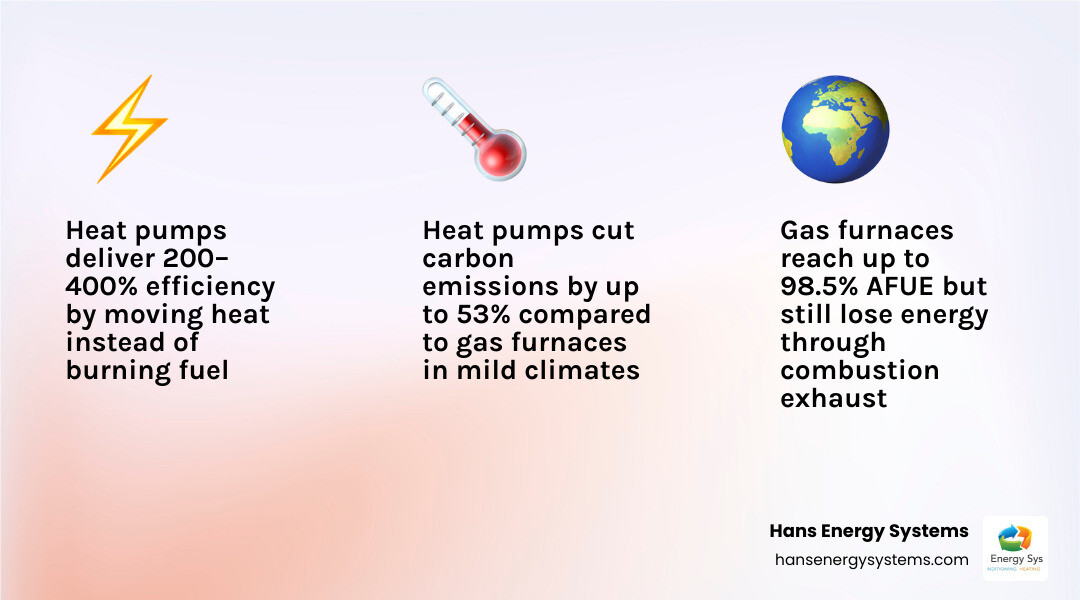
Understanding the pros and cons heat pump vs furnace is the first step to making a smart heating decision for your home. Here’s a quick side-by-side look:
| Feature | Heat Pump | Gas Furnace |
|---|---|---|
| How it works | Moves heat using electricity | Burns fuel to generate heat |
| Efficiency | 200–400% (COP 2–4) | Up to 98.5% AFUE |
| Heating + cooling | Yes, one system does both | No, needs separate AC |
| Best climate | Mild to moderate (ideal for San Diego) | Cold climates with harsh winters |
| Carbon emissions | Low — up to 53% less than gas | Higher — combustion-based |
| Carbon monoxide risk | None | Present with gas combustion |
| Upfront cost | Higher | Lower |
| Operating cost | Lower in mild climates | Lower where gas is very cheap |
| Lifespan | 15–20 years | 15–25 years |
| Available incentives | Federal tax credits, rebates | Limited incentives |
Choosing between these two systems isn’t just about which one heats your home — it’s about which one fits your climate, your utility bills, and your long-term goals.
If you’re a homeowner in the San Diego area, you’re in a mild coastal climate where winters rarely push past 50°F. That changes the math significantly compared to someone in Minnesota or Ohio. Heat pumps thrive in exactly this kind of environment, offering year-round comfort from a single system. Gas furnaces, on the other hand, have long been the default choice — but “default” doesn’t always mean “best.”
In 2024, heat pumps outsold gas furnaces in the U.S. for the first time, with more than 5 million units sold. That shift reflects a broader trend: homeowners are rethinking how they heat their homes, driven by rising energy bills, environmental concerns, and new financial incentives.
This guide breaks down everything you need to know — how each system works, what it costs to run, how long it lasts, and which one makes the most sense for your specific situation.
How Heat Pumps and Furnaces Generate Warmth
To understand the pros and cons heat pump vs furnace, we first have to look at how these systems handle the laws of physics. While both systems are designed to keep your living room cozy, they go about it in completely different ways. One is a master of creation, while the other is an expert in transportation.
A traditional furnace is a combustion machine. Whether it runs on natural gas, propane, or fuel oil, it generates warmth by burning fuel inside a sealed combustion chamber. This heat is transferred to air passing over a metal heat exchanger, which a blower fan then pushes through your home’s ductwork. Electric furnaces work similarly but use electrical resistance coils—akin to a giant hair dryer—to generate warmth instead of burning fuel.
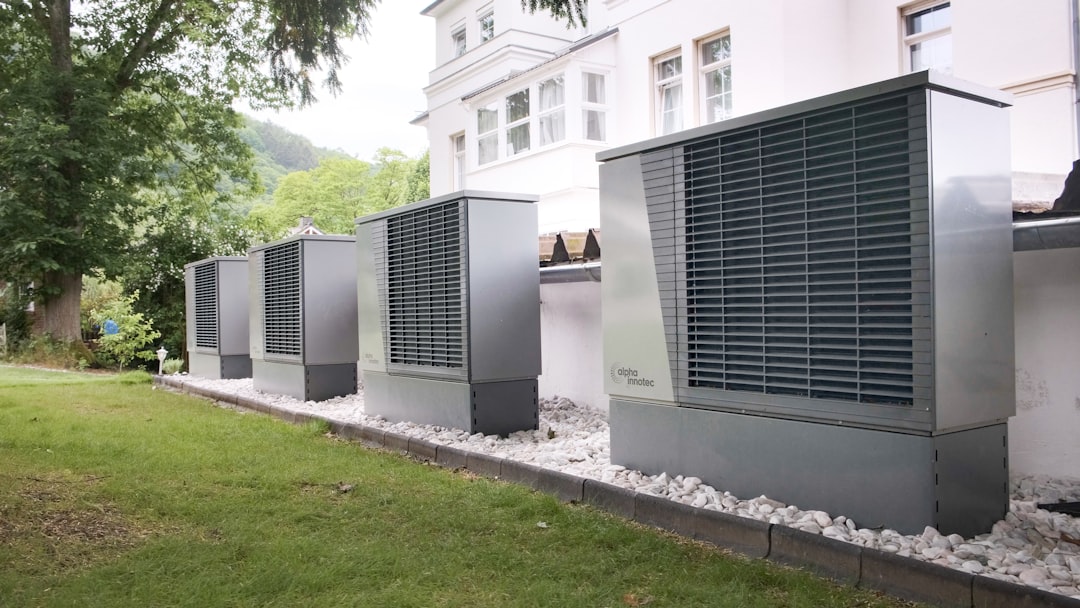
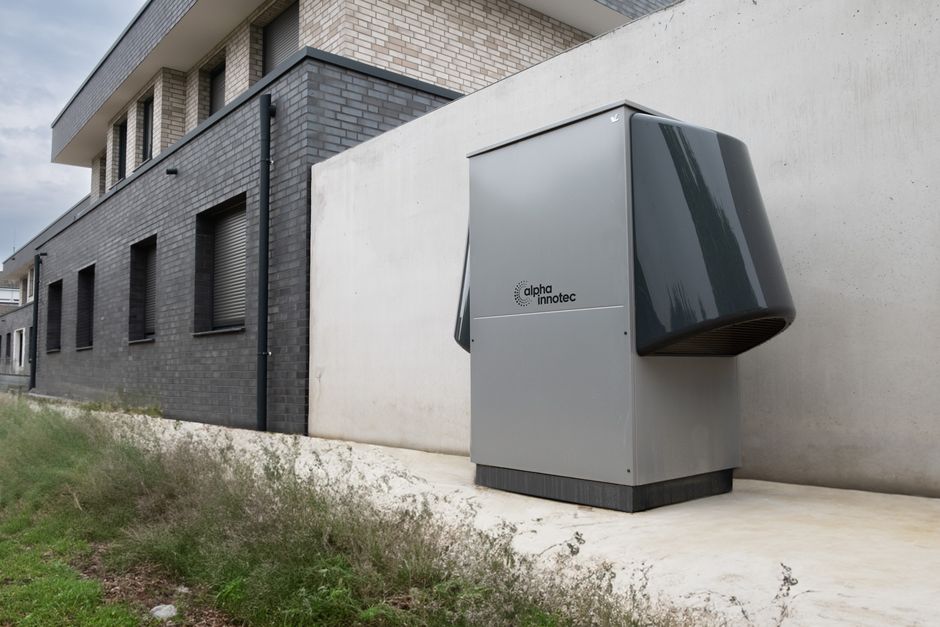
A heat pump, on the other hand, does not actually generate heat. Instead, it relies on a highly efficient refrigerant cycle to absorb existing heat from the outdoor air and move it indoors. Even when the air outside feels chilly to us, it still contains a massive amount of thermal energy. By compressing and expanding refrigerant, the heat pump extracts this energy, concentrates it, and releases it inside your home.
Because moving heat requires significantly less energy than creating it from scratch, heat pumps are incredibly efficient. When comparing standard forced-air configurations, homeowners often weigh these options against other modern comfort options. For a deep dive into how forced air stacks up against alternative heating methods, you can read our comparison on Radiant Floor Heating vs Forced Air for Your Home.
Heat Transfer vs. Combustion
Let’s look a little closer at the mechanics of heat transfer versus combustion. When a gas furnace kicks on, it ignites burners to heat up the heat exchanger. The blower fan draws cool air from your home through the return ducts, forces it across the hot exterior of the heat exchanger, and sends the newly warmed air back into your rooms. Because combustion is an intense chemical reaction, the air leaving your vents is typically very hot—often between 120°F and 140°F. This creates those quick, powerful bursts of heat that many traditionalists love.
With a heat pump, the process is gentler and continuous. The outdoor unit contains a compressor and a coil that acts as an evaporator in heating mode, absorbing heat from the outside air. The refrigerant carries this heat indoors to the air handler’s coil. As the indoor blower fan pushes air across this coil, the heat is transferred into your home.
Because a heat pump moves heat gradually, the air coming out of the vents is typically closer to 90°F to 110°F. While this air is still warmer than your body temperature, it feels gentler and less dry than furnace heat. This steady, continuous cycle helps maintain a highly consistent temperature across your home, virtually eliminating the hot and cold spots often associated with traditional systems. If your current system is struggling to deliver even warmth, our team can help diagnose the issue through our HVAC Poway CA Heating Service.
Dual-Fuel and Hybrid Heating Systems
What happens if you want the best of both worlds? Enter the dual-fuel or hybrid heating system. This setup pairs an electric heat pump with a gas furnace, operating on a smart control system that automatically switches between the two based on the outdoor temperature.
In a hybrid configuration, the heat pump handles all the heating and cooling duties during mild weather—which, in places like Poway and the broader San Diego area, is nearly all year round. Because the heat pump is incredibly efficient in moderate temperatures, it keeps your energy usage to a minimum.
However, if a rare winter cold snap hits and the temperature drops below a specific “balance point” (typically around 30°F to 35°F), the system automatically shuts off the heat pump and ignites the gas furnace. This ensures you always have access to fast, reliable heat when you need it most, without sacrificing the day-to-day efficiency of electric heating. If you are planning an upgrade to your home’s comfort setup, a hybrid configuration is an excellent option to discuss during a Heating Replacement.
Weighing the Pros and Cons Heat Pump vs Furnace

When it’s time for home upgrades, choosing the right system requires looking at the big picture. Every home in the San Diego region is unique, meaning the ideal balance of efficiency, comfort, and reliability will vary from one household to the next. If you are currently evaluating your options, scheduling a professional consultation for a Heating Replacement in Poway can provide clarity tailored to your property.
Pros and Cons Heat Pump vs Furnace: Efficiency and Climate Performance
Efficiency is where the heat pump truly shines. Because they transfer heat rather than generating it, heat pumps can achieve a Coefficient of Performance (COP) of 2 to 4. This means that for every single unit of electricity they consume, they deliver two to four units of heating energy—representing an efficiency rate of 200% to 400%. By comparison, even the highest-efficiency condensing gas furnaces top out at around 98.5% Annual Fuel Utilization Efficiency (AFUE), meaning 1.5% of the fuel energy is lost through the exhaust flue.
In mild climates like Southern California, where winter temperatures rarely dip below freezing, a heat pump operates at peak efficiency. It easily extracts heat from the moderate outdoor air, making it the most cost-effective and environmentally friendly way to keep your home warm.
In contrast, traditional heat pumps historically struggled in extreme cold, as there is less thermal energy to extract when temperatures drop below freezing. However, modern cold-climate heat pumps have bridged this gap, delivering 100% heating capacity down to 5°F and continuing to operate efficiently down to sub-zero temperatures. But for our local coastal and inland valley microclimates, a standard high-efficiency heat pump is more than capable of providing exceptional comfort all year long. To explore how these systems perform in our area, check out our HVAC Poway CA Heat Pump Installation services.
Pros and Cons Heat Pump vs Furnace: Lifespan and Maintenance
When comparing the lifespan and maintenance requirements of a pros and cons heat pump vs furnace analysis, it is important to consider how often each system runs.
A gas furnace is a seasonal worker. In San Diego, it might only run for a few hours a day during the cooler winter months, remaining completely idle for the rest of the year. Because of this limited seasonal wear and tear, a well-maintained gas furnace can easily last 15 to 25 years.
A heat pump, however, is a year-round workhorse. It provides cozy heating in the winter and reverses its cycle to deliver crisp air conditioning during our hot summers. Because it operates in all seasons, a heat pump accumulates wear and tear much faster than a furnace. On average, a well-maintained heat pump has a lifespan of about 15 years, which is comparable to a standard central air conditioner.
Regular preventative maintenance is critical for both systems, but especially for heat pumps due to their continuous operation. Keeping coils clean, replacing air filters regularly, and scheduling annual professional inspections are key to maximizing your system’s lifespan and efficiency. If your current system is making unusual noises or failing to keep up with your comfort demands, our experienced technicians are ready to assist with dependable HVAC Poway CA Heating Repair.
Regional Suitability and Environmental Impact
Geography plays a massive role in deciding which heating system is right for your home. While homeowners in freezing northern states might still lean heavily on natural gas combustion, our local climate in the San Diego area makes the decision-making process look very different. If you are ready to transition your home to a more modern, regional-appropriate comfort system, we can guide you through the process step-by-step with our professional Steps for Heating Replacement in Poway.
Mild Climates and Solar Compatibility
Southern California is world-famous for its mild, beautiful winters. With average winter lows typically hovering between 35°F and 50°F, our heating needs are relatively light compared to the rest of the country. We don’t need massive, high-temperature blasts of heat to keep our homes safe from freezing; instead, we need efficient, moderate temperature control to take the chill off during cool nights and early mornings.
This mild climate makes the heat pump an incredibly attractive option. Because it is highly efficient in these temperature ranges, a heat pump can keep your home perfectly comfortable while consuming a fraction of the energy of an electric or gas furnace.
Even better, electric heat pumps are the perfect partner for homes equipped with solar photovoltaic (PV) systems. If you have solar panels on your roof—or are planning to install them—you can use the clean, renewable electricity your home generates to power both your cooling and your heating. This allows you to heat your home using the power of the sun, drastically reducing your reliance on the electrical grid and fossil fuels. To learn more about optimizing your system for solar power, explore our HVAC Poway CA Heat Pump Service.
Utility Rates and Financial Incentives
Your local utility rates—specifically what you pay for electricity versus natural gas—will heavily influence which system is more economical to run. While natural gas has traditionally been a relatively inexpensive fuel source, gas prices can be highly volatile. Electricity rates also vary, but the unmatched efficiency of a heat pump (delivering up to three times more heat energy than the electricity it consumes) often makes it the more cost-effective choice in moderate climates.
Furthermore, state and federal policies are actively encouraging homeowners to transition away from fossil-fuel-based heating. Under the Inflation Reduction Act, homeowners can take advantage of substantial financial incentives to help offset the upfront cost of choosing an energy-efficient heat pump.
These incentives include significant federal tax credits for qualifying clean energy upgrades, as well as state-administered programs like the Home Electrification and Appliance Rebates (HEAR) program, which provides direct rebates for income-qualified households. When you combine these rebates and tax incentives with the long-term energy savings of a modern system, upgrading to a heat pump becomes a highly compelling financial decision.
Frequently Asked Questions about Home Heating
Can a heat pump replace both a furnace and an air conditioner?
Yes, absolutely! One of the greatest advantages of a heat pump is its dual functionality. It is a complete, all-in-one heating and air conditioning system. Inside the unit, a specialized component called a reversing valve changes the flow of refrigerant based on your thermostat settings.
In the summer, the heat pump operates exactly like a standard central air conditioner, absorbing heat from inside your home and releasing it outdoors. In the winter, the valve reverses the process, extracting heat from the outdoor air and pumping it inside. This dual capability eliminates the need to purchase, maintain, and house two separate HVAC systems, simplifying your home comfort setup and saving valuable indoor space.
Is a heat pump or a gas furnace cheaper to run?
In mild climates like San Diego, a heat pump is typically cheaper to run than a gas furnace. Because our winter temperatures are moderate, heat pumps operate at their highest possible efficiency, often saving homeowners up to 50% on their heating bills compared to older, less efficient systems.
However, the exact operating costs will always depend on your local utility rates. If natural gas prices are extremely low and electricity rates are exceptionally high, a high-efficiency gas furnace might have comparable running costs in some regions. But for most local homes—especially those paired with solar panels—the heat pump is the clear winner for long-term operational savings.
At what temperature does a standard heat pump lose efficiency?
Older, traditional heat pumps typically began to lose their efficiency and heating capacity when outdoor temperatures fell below 30°F to 35°F. At these temperatures, they often had to rely on built-in electric resistance auxiliary heat strips to keep up, which can cause energy usage to spike.
However, modern variable-speed heat pumps are vastly superior. Today’s standard models can maintain high efficiency and performance well below freezing, while specialized cold-climate heat pumps are rated to deliver outstanding heating capacity down to -15°F or colder. Given our local climate, a standard heat pump will easily remain in its peak efficiency zone all winter long.
Conclusion
Choosing between a heat pump and a furnace is a significant decision that impacts your home’s comfort, energy bills, and environmental footprint for decades to come. While gas furnaces offer reliable, intense heat, heat pumps provide unmatched efficiency, dual heating and cooling functionality, and seamless integration with solar energy systems—making them the ideal choice for the mild, beautiful climate of Poway and the surrounding San Diego communities.
At Hans Energy Systems, we are dedicated to helping you find the perfect comfort solutions for your lifestyle and budget. Whether you need a comprehensive home energy assessment, a quick and reliable system installation, or expert maintenance to keep your current equipment running perfectly, our friendly team is here to help.
Ready to discover how a modern heating upgrade can transform your home comfort? Contact us today to schedule a professional assessment with our local experts, and learn more about our options for HVAC Poway CA Heat Pump systems.