
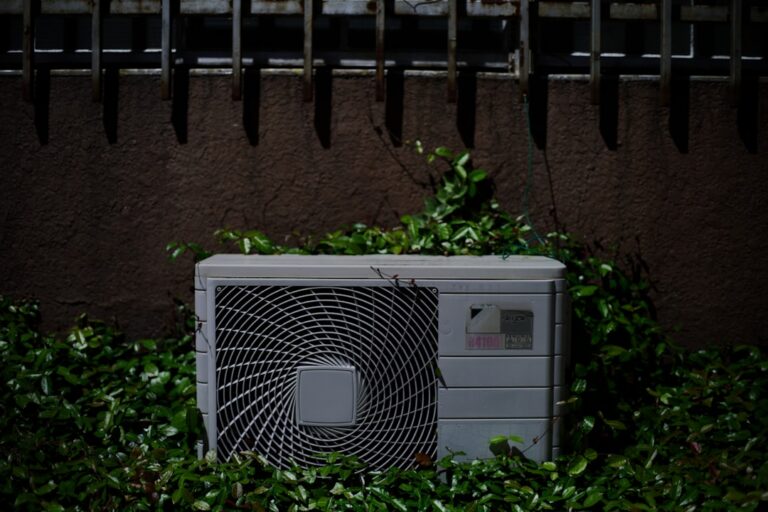
Is Your AC Sending You Warning Signs? Here’s What to Look For
The signs your ac is nearing end of life are often easy to miss — until your system breaks down on the hottest day of the year. If you live in the San Diego area, where summer heat can push your AC to its limits, catching these warning signs early can save you from a very uncomfortable situation.
Here are the key signs your AC may be ready to retire:
- The system is 10-15+ years old
- Your energy bills are climbing without explanation
- You’re hearing grinding, banging, or hissing sounds
- You notice musty or burning smells from the vents
- You’re calling for repairs more than once a season
- Your home feels warm, humid, or unevenly cooled
- Your unit still uses R-22 (Freon) refrigerant
Most central air conditioners are built to last 10 to 15 years. After that window, efficiency drops, repair bills pile up, and the system works harder just to keep up. Homeowners across the country spend around $11 billion each year powering their AC units — and an aging, inefficient system is quietly eating a bigger share of that than it should.
The good news? Your AC rarely fails without warning. It gives you signals. Knowing what those signals look like is the first step toward making a smart, confident decision about whether to repair or replace.

1. Your System Has Passed the 10-15 Year Milestone
In home appliances, age is more than just a number. The typical life expectancy of a central air conditioning system is 10 to 15 years. While a meticulously maintained unit in a milder climate might stretch to 20 years, our San Diego sunshine and coastal air mean most systems start showing their age right around the decade mark.
As we move through May 2026, the technology inside a unit from 2011 or 2016 is vastly different from today’s standards. Modern systems must now adhere to SEER2 (Seasonal Energy Efficiency Ratio 2) ratings, which are more stringent than the old SEER standards. If your unit was installed before these updates, it is likely working twice as hard to provide half the cooling of a modern model.
Several factors influence how long your unit will last:
- Maintenance History: Did it receive annual professional check-ups?
- Usage Patterns: How hard do you run it during a Poway heatwave?
- Installation Quality: Was it sized correctly for your home’s square footage?
- Environmental Factors: Is it exposed to salt air or heavy dust?
If your manufacture date is a decade in the rearview mirror, you are likely already seeing warning signs AC needs replacement in Poway. It’s often better to plan for an upgrade now than to face an emergency breakdown during a scorching July afternoon.
2. Rising Energy Bills and Declining Efficiency
Have you noticed your monthly utility statement creeping upward even though you haven’t changed your thermostat settings? This is one of the most common financial signs your ac is nearing end of life.
On average, cooling accounts for about 6% of a household’s total energy usage. However, as mechanical parts wear down, the motor and compressor require more electricity to move the same amount of air. It’s like an old car that starts getting fewer miles per gallon; the engine is simply less efficient than it used to be.
Financial Signs Your AC is Nearing End of Life
In 2026, energy trends are leaning heavily toward high-efficiency, smart-integrated systems. If you compare an older 10 or 12 SEER unit to a modern 18 or 20 SEER2 system, the difference in operating costs is staggering. You might be spending hundreds of dollars extra every year just to keep an “energy hog” running.
Furthermore, internal issues can exacerbate this. For instance, dirty air filters can harm AC efficiency, but in an aging unit, even a clean filter can’t save a failing blower motor. If your bills have spiked significantly compared to the same month last year, your system is likely losing its battle against friction and wear.
| System Type | Typical SEER/SEER2 Rating | Efficiency Level |
|---|---|---|
| Old Unit (15+ years) | 8 – 10 SEER | Very Low |
| Standard Unit (10 years) | 13 – 14 SEER | Moderate |
| Modern Standard (2026) | 15 – 17 SEER2 | High |
| High-Efficiency Model | 20+ SEER2 | Ultra-High |
3. Signs Your AC is Nearing End of Life: Strange Noises and Smells
Your air conditioner should be a quiet, background presence in your home. When it starts making its presence known through loud noises or pungent odors, it’s often a “cry for help” from the internal components.
Noises to listen for:
- Grinding: This usually points to worn-out bearings in the motor.
- Banging or Clanking: This could mean a connecting rod or crankshaft has come loose inside the compressor.
- Hissing: Often a sign of a refrigerant leak.
- Buzzing: If your AC unit makes buzzing sounds, it could be an electrical issue, failing capacitor, or loose parts.
Smells to watch out for:
- Burning: A sharp, metallic burning smell often indicates electrical wiring issues or an overheating motor.
- Musty/Moldy: This suggests that moisture isn’t being drained properly, leading to biological growth inside the ducts or on the evaporator coils.
- Chemical/Sweet: This is a classic sign of a refrigerant leak, which is a high-priority hazard.
4. Frequent Repairs and the “5,000 Rule”
Are you on a first-name basis with your HVAC technician? While occasional maintenance is normal, needing AC repair in Poway, CA more than once a season is a major red flag.
To help homeowners decide between another fix and a full upgrade, we often use the “5,000 Rule.” It’s a simple mathematical formula:
Multiply the age of the unit by the cost of the repair.
If the total is more than 5,000, replacement is usually the smarter financial move. For example:
- A 12-year-old unit needing a $600 repair = 7,200 (Replace)
- An 8-year-old unit needing a $300 repair = 2,400 (Repair)
Investing in a major component like a compressor or coil on a unit that is already 12 years old is often throwing good money after bad. These repairs are frequently just “band-aids” that delay the inevitable while you continue to pay high energy bills.
5. Poor Performance: Weak Airflow and High Humidity
An air conditioner’s job isn’t just to lower the temperature; it’s also to manage indoor humidity. In our San Diego climate, we expect to feel crisp, dry air. If your home feels “sticky” or clammy even when the AC is running, the system is failing its second most important job.
Identifying Performance Signs Your AC is Nearing End of Life
As compressors age, they struggle to pump refrigerant effectively. This leads to weak airflow or, worse, air that feels lukewarm. You might notice “hot spots” in your home where the living room is cool but the bedrooms stay uncomfortably warm.
Another common issue is short-cycling. When your AC starts short cycling in Poway, it turns on and off rapidly without ever completing a full cooling cycle. This puts immense strain on the hardware and prevents the evaporator coils from removing enough moisture from the air. If your vents are blowing warm air or the humidity is climbing, the heart of your system — the compressor — may be nearing its final beat.
6. The R-22 Refrigerant Phase-Out and Modern Upgrades
If your air conditioner was manufactured before 2010, there is a high chance it uses R-22 refrigerant, commonly known as Freon. The U.S. EPA officially banned the production and importation of R-22 in 2020 because of its ozone-depleting properties.
In 2026, the supply of R-22 is extremely limited and incredibly expensive. If an older unit develops a leak, the cost to “recharge” it can be nearly as much as a significant down payment on a new system.
The silver lining to replacing an old Freon-based unit is the availability of federal incentives. Under the Inflation Reduction Act, homeowners in 2026 can claim federal tax credits for upgrading to high-efficiency systems. These credits, combined with local utility rebates, can significantly offset the cost of a modern, eco-friendly AC installation.
Frequently Asked Questions about AC Replacement
What is the typical life expectancy of a central air conditioning system?
Most central air conditioners last between 10 and 15 years. With exceptional maintenance and regular filter changes, some units can reach the 20-year mark, but they typically become very inefficient toward the end of their lifespan.
How does the phase-out of R-22 (Freon) impact the cost of maintaining older units?
Since R-22 is no longer produced or imported, the existing supply is scarce. This makes even a simple refrigerant “top-off” prohibitively expensive. Most professionals recommend against repairing R-22 leaks because the money is better spent on a modern system that uses R-410A or newer, greener refrigerants.
When does an expired manufacturer’s warranty make replacement the smarter financial move?
Most manufacturer warranties last 5 to 10 years. Once that protection expires, you are responsible for the full cost of expensive parts like the compressor or evaporator coil. If your unit is out of warranty and requires a repair that costs more than a few hundred dollars, it’s time to look at the long-term savings of a replacement.
Conclusion
Recognizing the signs your ac is nearing end of life is about more than just avoiding a hot house; it’s about making a sound financial decision for your home. From rising utility bills and strange noises to the high cost of outdated refrigerants, your system will usually tell you when it’s ready to retire.
At Hans Energy Systems, we specialize in helping San Diego and Poway homeowners transition to modern, reliable, and energy-efficient cooling solutions. Whether you need an AC system check to see how much life is left in your unit or you’re ready for a professional AC replacement, our team is known for quick installs and exceptional customer service.
Don’t wait for the next heatwave to leave you stranded. If your system is showing these warning signs, reach out to us today to explore your options for a cooler, more comfortable home.