
Why Weak Airflow From Vents Gets Worse When It’s Hottest Outside
What causes weak airflow from vents in hot weather is one of the most common questions homeowners ask when their AC is running but rooms still feel like an oven. The short answer: several issues can be responsible, and they tend to hit hardest exactly when you need cool air the most.
Here are the most common causes at a glance:
- Dirty or clogged air filter – blocks air before it ever reaches your living space
- Blocked or closed supply vents – furniture, curtains, or rugs cutting off airflow
- Frozen evaporator coil – ice forms a physical barrier that stops air movement
- Leaky ductwork – up to 20–30% of conditioned air escapes into attics or crawl spaces
- Failing blower motor or fan – the component that pushes air through your ducts loses power
- Dirty condenser or evaporator coils – grime prevents efficient heat exchange
- Undersized or aging AC system – the unit simply can’t keep up when outdoor temps climb
During a San Diego heatwave, these problems don’t just cause mild discomfort. They force your system to run longer, work harder, and wear out faster — driving up energy bills and shortening the life of your equipment.
The sections below break down each cause in detail, along with what you can check yourself and when it’s time to call a professional.

Common Maintenance Culprits: What causes weak airflow from vents in hot weather?
When we visit homes in Poway or Scripps Ranch during a peak July heatwave, the very first thing we check is the air filter. It sounds simple, but a neglected filter is the primary reason air conditioning systems struggle to “breathe.”
Think of your HVAC system like a set of lungs. It needs to pull in air from your home, cool it down, and push it back out. If the “intake” is blocked by a thick layer of dust, pet dander, and pollen, the blower motor has to work twice as hard to pull air through that barrier. This results in a noticeable drop in the volume of air coming out of your vents.
Dirty Air Filters Can Harm AC Efficiency because they create a domino effect. When airflow is restricted, the internal components of your AC don’t get the air they need to stay at the right temperature, which can lead to more serious Common AC Problems in Poway and Solutions like system overheating or total shutdowns.
How dirty filters and blocked registers restrict airflow
The technical term we use for this resistance is “static pressure.” Every air filter has a MERV (Minimum Efficiency Reporting Value) rating. While high MERV filters are great for air quality, they also provide more resistance. If you combine a high-MERV filter with six months of dust accumulation, you’ve essentially placed a brick wall in front of your blower fan.
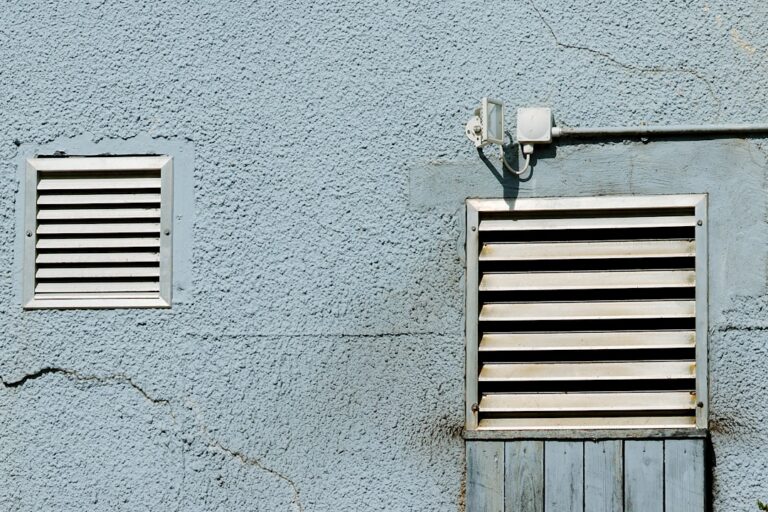
Beyond the filter, we often find that the problem isn’t inside the machine at all—it’s in the room layout. In the rush to redecorate or move furniture, it’s easy to accidentally cover up a supply vent or a return air grille.
Common vent obstructions include:
- Heavy drapes or curtains hanging over wall vents.
- Area rugs covering floor registers.
- Large sofas or entertainment centers pushed flush against return air intakes.
- Toys, pet beds, or storage boxes placed directly in the path of the airflow.
If your return air grilles (the large vents that suck air back into the system) are blocked, your AC becomes “starved” for air. It can’t push out what it can’t pull in. We recommend walking through your home and ensuring there is at least a two-foot “clear zone” around every vent and grille.
Mechanical Failures and Frozen Components
If your filter is clean and your vents are open, but you still have weak airflow, we may be looking at a mechanical issue. One of the most paradoxical problems in hot weather is a frozen air conditioner. It seems impossible that a machine could freeze when it’s 95°F in El Cajon, but it happens more often than you’d think.
Identifying frozen coils as what causes weak airflow from vents in hot weather
The evaporator coil is the part of your indoor unit that gets cold. Its job is to absorb heat from your indoor air. However, if there isn’t enough air moving over that coil (due to a dirty filter or low refrigerant), the coil gets too cold. Moisture from the air then freezes onto the coil, creating a literal block of ice.
This ice barrier acts like a plug. The blower fan might be spinning at full speed, but the air simply cannot pass through the frozen fins of the coil. If you notice Why Your AC Unit Leaking Water in Poway, it’s often because that ice is starting to melt and the condensate drain is overflowing.
Signs your coils are frozen:
- The air coming from the vents is extremely weak but very cold.
- You see visible frost or ice on the copper refrigerant lines leading to the outdoor unit.
- You hear a “hissing” or “gurgling” sound.
- Your AC starts short cycling, turning on and off every few minutes as it hits its safety limits.
If you suspect a freeze-up, turn the system off immediately. Let the ice thaw completely (this can take several hours) before trying to run it again. Running the system with frozen coils can lead to a “liquid slugging” event that destroys your compressor—the most expensive part of the system.
Blower motor and fan speed malfunctions
Sometimes the “push” is the problem. The blower motor is the heart of your ventilation system. As these motors age, they can lose efficiency. A common culprit is a failing capacitor—a small electrical component that gives the motor the “jolt” it needs to start and run. If the capacitor is weak, the fan may spin slowly, leading to that “wimpy” airflow you’re feeling.
In other cases, the fan blades themselves might be the issue. In homes with pets or high dust levels, a layer of grime can build up on the individual blades of the blower wheel. This changes the aerodynamics of the fan, making it move significantly less air even though it’s spinning at the same speed. Professional HVAC Service in Poway CA includes cleaning these components to restore original performance.
Hidden Ductwork Issues and System Sizing
Sometimes the AC is making plenty of cold air, and the fan is blowing hard, but the air just isn’t reaching your rooms. This is where we look into the “veins” of your home: the ductwork.
Why leaky ducts are often what causes weak airflow from vents in hot weather
Ductwork is often located in attics or crawl spaces—areas that can reach 130°F or more during a San Diego summer. If there is a hole, a disconnected joint, or a tear in the duct, your expensive conditioned air is being dumped into your attic instead of your bedroom.
Industry statistics show that the average home loses 20 to 30 percent of its conditioned air through duct leaks. When it’s “sizzling” outside, that loss is even more painful because the air escaping is replaced by the scorching hot air from the attic being pulled into the system.
| Symptom | Likely Duct Issue | Likely Mechanical Failure |
|---|---|---|
| Weak air in only one room | Kinked or disconnected duct | N/A (would affect whole house) |
| Whistling noises from vents | Duct leak or undersized duct | Failing motor bearings |
| Dusty vents/Fast dust buildup | Holes in return ductwork | Clogged/Bypassed filter |
| Air is cold but very weak | N/A | Frozen evaporator coil |
If you have a room that is always five degrees warmer than the rest of the house, it’s a strong sign of a localized duct problem. We often find “flex duct” that has been crushed by storage boxes or even chewed through by local wildlife. Getting AC Repair Poway CA often involves sealing these gaps with specialized mastic or foil tape to ensure the air actually reaches its destination.
Impact of undersized or aging AC systems
We also have to consider the “Manual J” calculation. This is the industry-standard way we determine exactly how much cooling power a home needs based on square footage, insulation, and window placement.
If your home has been remodeled or if the original builder cut corners, your AC might be undersized. An undersized unit will blow air constantly, but the airflow will feel weak because the system can never generate enough static pressure to fill the entire home. Similarly, as a system reaches the 10-to-12-year mark, the mechanical efficiency of the compressor and blower motor naturally declines. During extreme heat, an aging system simply runs out of “breath.”
DIY Troubleshooting and Professional Solutions
Before you panic and assume you need a total replacement, there are several DIY steps we recommend to our neighbors in Rancho Bernardo and Santee.
Step 1: Check the Thermostat
Ensure your fan setting is on “Auto” rather than “On” if you want the system to dehumidify properly. However, if you’re troubleshooting weak airflow, switching the fan to “On” can help you determine if the blower motor is working independently of the cooling cycle.
Step 2: Clear the Outdoor Unit
Your outdoor condenser needs to “exhale” heat. If it’s surrounded by overgrown bushes, weeds, or piles of leaves, it can’t release heat efficiently. This causes the system to run hotter and move air less effectively. Maintain at least two feet of clear space around the entire unit.
Step 3: The “Light Test” for Filters
If you aren’t sure if your filter is dirty, hold it up to a bright light. If you can’t see the light through the fibers, the filter is clogged and needs to be replaced immediately.
For more complex issues, our HVAC Maintenance Plan Poway CA is designed to catch these problems before the first heatwave hits.
When to call a professional for weak airflow
While changing a filter is a great DIY task, some things require a licensed technician. You should call for AC Repair if:
- You see ice: This indicates a refrigerant leak or a severe airflow blockage that could damage the compressor.
- You hear strange noises: Grinding, squealing, or loud rattling usually points to a blower motor bearing failure.
- You smell burning: Electrical components like capacitors or wire harnesses can fail under the stress of high heat.
- Airflow is weak everywhere: This often requires static pressure testing to see if the internal coils are impacted by deep-seated grime that a simple filter change won’t fix.
Frequently Asked Questions about AC Airflow
How often should I replace my air filter in May 2026?
During the peak cooling season in San Diego, we recommend checking your filter every 30 days. If you have pets or live in a dustier area like Ramona, you may need to replace it monthly. At a minimum, never go more than 90 days without a fresh filter during the summer.
Is it okay to close vents in unused rooms to boost airflow elsewhere?
Actually, no! This is a common myth. Your HVAC system is designed to move a specific volume of air. Closing vents increases the pressure inside your ducts, which can actually cause leaks to form or cause the blower motor to overheat. It’s best to keep at least 80% of your vents open at all times to maintain system balance.
Why is the airflow weak in only one room of my house?
This is almost always a ductwork issue. It could be a “dampener” (a metal flap inside the duct) that has accidentally vibrated shut, a disconnected duct in the attic, or a “kink” in a flexible duct line. If the rest of the house feels fine, the central unit is likely healthy, but the “pathway” to that specific room is compromised.
Conclusion
At Hans Energy Systems, we know that a San Diego summer is no time to be without reliable air conditioning. Whether it’s a simple clogged filter or hidden duct leaks in your attic, understanding what causes weak airflow from vents in hot weather is the first step toward reclaiming your home’s comfort.
Don’t let a minor airflow issue turn into a major system failure. Regular preventive maintenance not only keeps your air moving but also protects your wallet by keeping energy bills low and extending the life of your equipment. If your vents are barely whispering when they should be roaring, we’re here to help.
From Poway to Chula Vista, our team is ready to ensure your home stays a cool sanctuary all summer long. If you’re ready to get your airflow back to full strength, contact us for professional AC Repair today.