
Is That Midday Solar Inverter Hum Normal?
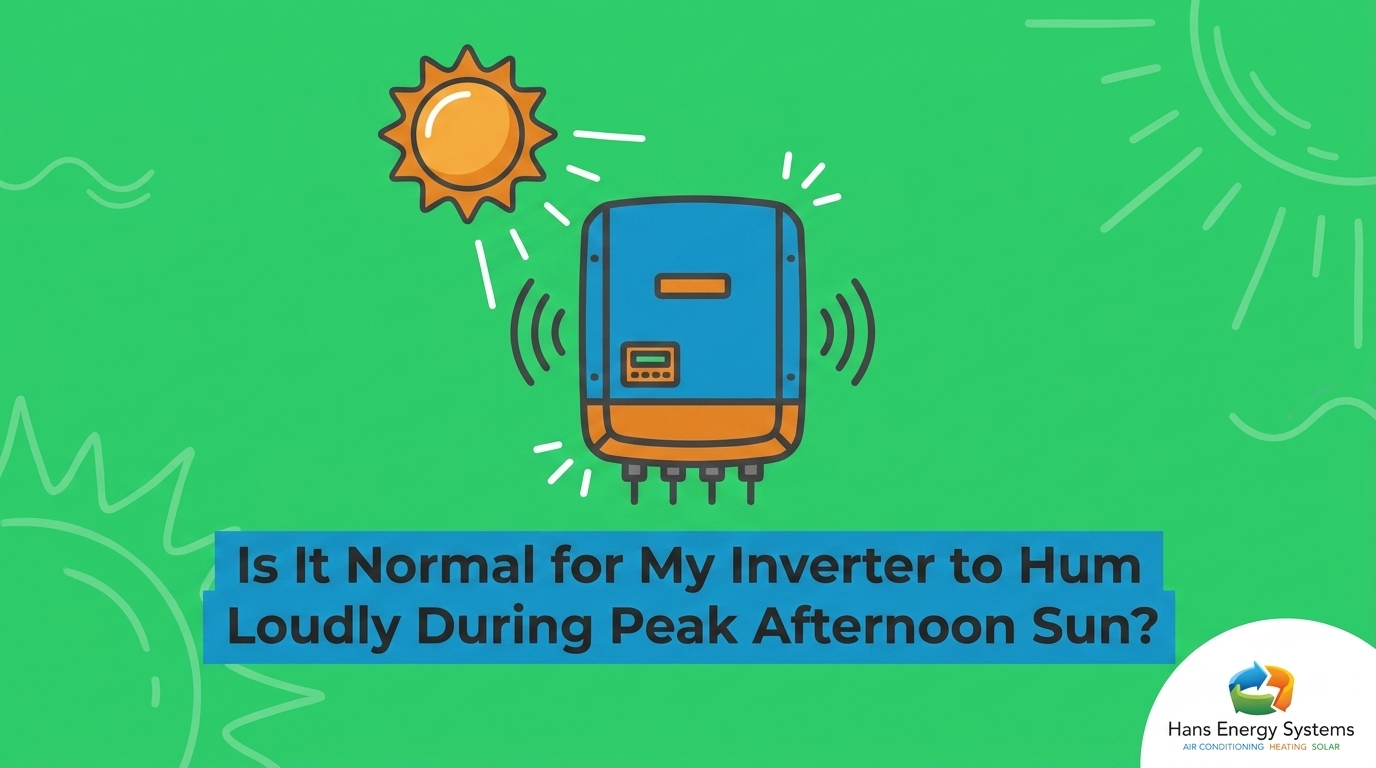
Are you standing in your garage or yard right now wondering, is it normal for my inverter to hum loudly during peak afternoon sun? You are certainly not alone. Hearing an unexpectedly loud noise radiating from your expensive solar equipment can be alarming, especially when the system is supposed to be passively generating clean energy. The short answer is that a noticeable hum during the hottest part of the day is often completely normal. However, knowing the difference between standard operational noise and a failing component is the key to protecting your investment.
During the July mid-afternoon peak heat, solar irradiance reaches its absolute maximum. This means your panels are capturing the most sunlight and sending the highest volume of raw direct current (DC) power down to your inverter. At the exact moment your system is working its hardest to convert that power, the ambient temperature outside is also at its highest. This collision of maximum electrical load and extreme weather creates the perfect environment for loud acoustic resonance. At Hans Energy Systems, our team fields calls about this exact phenomenon every summer. If you want to ensure your system is operating safely, you can always contact our solar technicians for a thorough inspection.
The Science of Magnetostriction During Peak Production
To understand why your inverter makes noise, you have to look at what is happening inside the metal casing. Solar panels generate DC power, but your home runs on alternating current (AC) power. The inverter acts as the translator between the two. Inside most standard string inverters, heavy-duty transformers and inductors manage this high-voltage conversion process.
These internal components rely on magnetic fields to function. As electricity flows through the transformer, the magnetic core physically expands and contracts slightly with the alternating current—exactly 60 times per second to match the 60Hz frequency of the U.S. electrical grid. This microscopic physical movement is called magnetostriction. As the metal core vibrates, it pushes against the air inside the casing, creating a steady, low-frequency hum.
This baseline hum is a fundamental law of physics, not a design flaw. Every transformer on earth, from the massive green boxes on your street corner to the small power brick for your laptop, experiences some level of magnetostriction. In the Poway CA inland climate, where systems regularly process massive amounts of solar energy, that vibration becomes much more pronounced.
Why the Hum Gets Louder at Noon
You might notice that your inverter is virtually silent in the early morning, but sounds like a buzzing hive by 1:00 PM. This happens because magnetostriction scales directly with electrical load.
- Low load (Morning/Late Afternoon): When the sun is low on the horizon, the panels produce less DC power. The magnetic fields inside the inverter are weaker, resulting in a very quiet, almost imperceptible hum.
- Maximum load (Midday): When the sun is directly overhead, maximum solar irradiance hits your roof. The inverter is forced to process the highest possible volume of electricity. The magnetic fields intensify, the physical expansion of the core increases, and the resulting hum reaches its maximum decibel level.
If you notice the hum is entirely absent during midday, that actually points to a different issue. You might need to investigate why your solar system is producing less power than it should.
Active Cooling Systems: When Thermal Management Gets Loud
Beyond the magnetic hum of the transformer, there is a secondary source of noise that frequently startles homeowners: active cooling fans. Converting thousands of watts of electricity generates a massive amount of internal heat as a natural byproduct. If that heat is not managed, the internal computer components will literally cook themselves.
Most modern string inverters feature active cooling systems to manage this thermal load. These are high-speed fans built into the heat sinks or the casing itself. The crucial thing to understand is that these fans are thermostatically controlled. They do not run all the time. They sit dormant until internal sensors detect that temperatures are approaching specific safety thresholds.
When those thresholds are crossed—almost always during the July mid-afternoon peak heat—the fans roar to life. The sound of high-RPM cooling fans is distinctly different from electrical magnetostriction. It sounds like a smooth whirring or a rush of moving air, similar to a high-end gaming computer or a window air conditioning unit running on high.
Protecting the Inverter from Overheating
Why are these loud fans so necessary? They protect your system from a process called thermal derating.
If an inverter gets too hot and cannot shed the excess heat, its internal software will intentionally throttle down its energy production to protect the circuitry. For example, a system capable of producing 5,000 watts might drop to 3,000 watts just to cool off. This means you lose out on valuable energy production right when the sun is shining brightest. The cooling fans activate to prevent this throttling, ensuring you get maximum power output even on the hottest days of the year.
How Ambient Surroundings Amplify Inverter Acoustics
The intensity of the noise you hear is not just about what is happening inside the inverter; it is heavily influenced by where the equipment is mounted. Acoustic dynamics play a massive role in how loud a system seems to the human ear.
Many inverters are mounted on the exterior walls of a home or inside an attached garage. If your inverter is bolted directly to a standard wood-framed wall covered in drywall or stucco, that wall can act exactly like the skin of a drum. The normal 60Hz vibrations from the inverter transfer through the mounting brackets and into the wall studs. The hollow cavity between the studs amplifies the low-frequency sound waves, making a normal hum sound significantly louder inside the house.
The Compounding Heat Effect
The local microclimate also dictates how hard your cooling system has to work. In our years of servicing the area, the Hans Energy Systems team has seen exactly how standard garage installations are pushed to their limits once you weave in the reality of Poway’s intense 90+ degree summer heat.
Garages are essentially unconditioned boxes that trap heat. When the ambient air inside the garage is already sweltering, the inverter cannot efficiently shed its internal electrical heat. This compounding heat effect forces the active cooling mechanisms to run at maximum RPM for hours on end, compared to coastal installations where natural ocean breezes help dissipate heat. This is why proper ventilation around the inverter is critical in the Poway CA inland climate.
Acoustic Diagnostics: Differentiating Safe Hums from Dangerous Buzzes
While a loud hum and rushing fans are standard operating procedures during the July mid-afternoon peak heat, there are specific acoustic profiles that indicate a serious problem. Learning to differentiate safe sounds from danger sounds can save your equipment from catastrophic failure.
The golden rule of solar diagnostics: Never open the inverter casing or attempt DIY electrical repairs. Solar systems deal with lethal amounts of high-voltage DC and AC power. If you hear a danger sound, your only action should be to safely shut down the system at the main disconnect and call a licensed professional.
Warning Signs That Require Immediate Attention
Here is a breakdown of what to listen for:
| Sound Profile | Likely Cause | Action Required |
|---|---|---|
| Steady, low-frequency hum | Normal magnetostriction under electrical load | None. Normal operation. |
| Smooth whirring or rushing air | Active cooling fans engaging to prevent overheating | None. Ensure vents are clear of debris. |
| Single clicks at dawn or dusk | Internal relays opening/closing as the system wakes up or goes to sleep | None. Normal operation. |
| Erratic crackling or aggressive buzzing | Electrical arcing, loose connections, or failing components | Danger. Shut down system and call a professional immediately. |
| Loud metallic grinding or squealing | Failing bearings inside the active cooling fans | Schedule a service call to replace the fan assembly before the unit overheats. |
In addition to these sounds, you should immediately call for service if the noise is accompanied by burning smells (like melting plastic or ozone), red warning lights on the display panel, specific error codes on your monitoring app, or irregular clicking during peak daylight hours when the system should be producing steady power.

Connecting Inverter Health to Your Home’s Electrical System
Sometimes, the abnormal buzz you hear isn’t actually coming from the inverter itself. Solar energy systems are deeply integrated into your home’s broader electrical infrastructure. A loud, aggressive buzzing noise can often originate from the AC disconnect box mounted next to the inverter, or even from your main electrical panel.
When a system is pushing maximum amperage during the summer, any loose physical connection in the electrical pathway will vibrate. A loose lug nut on a breaker will cause electrical arcing, which sounds incredibly similar to a failing inverter. A pattern we see often during our Poway service calls is homeowners assuming their inverter is failing, when the real culprit is a degrading breaker.
This is where our cross-disciplinary expertise at Hans Energy Systems makes a massive difference. Working with a team that understands how extreme heat impacts all home energy systems—from solar to HVAC to electrical—ensures that your entire home operates safely. Our holistic approach means our technicians won’t just look at the inverter; they will test the voltage drop across the AC disconnect, inspect the main panel busbar, and verify that your home’s infrastructure can handle the load. If you are looking to upgrade your system to meet these demands, you might explore solar energy programs in Santee and the surrounding inland areas to ensure your home is fully optimized for the Poway CA inland climate.
Frequently Asked Questions About Solar Inverter Noises
Homeowners frequently have concerns about the acoustics of their solar systems. Here are clear answers to the most common questions we hear during the July mid-afternoon peak heat.
Why is my solar inverter buzzing loudly?
Your solar inverter is likely buzzing loudly due to a physical process called magnetostriction. As the internal transformers convert high-voltage DC power to AC power, the magnetic core expands and contracts 60 times a second. Under heavy electrical load during peak sunlight, this vibration becomes much more pronounced, resulting in a loud, steady hum.
Is it normal for solar inverters to get hot?
Yes, it is entirely normal for solar inverters to get hot to the touch. Heat is a natural, unavoidable byproduct of converting large amounts of DC electricity into AC electricity. The metal casing acts as a giant heat sink designed to pull that thermal energy away from the sensitive internal computer components and dissipate it into the surrounding air.
How do I know if my solar inverter is failing?
You will know your inverter is failing if the steady hum changes into an erratic crackling, popping, or metallic grinding noise. Additionally, you should look for physical warning signs: burning smells, red error lights on the front display panel, specific fault codes on your mobile monitoring app, or a sudden, unexplained drop in your daily energy production.
Do solar inverters have cooling fans?
Many modern string inverters do have active cooling fans built into them. These fans are necessary to prevent the unit from overheating and triggering a thermal derating mode, where the system intentionally lowers your energy production to protect itself. The fans usually remain off until the internal temperature reaches a specific threshold, at which point they turn on and create a noticeable whirring sound.
When should I worry about inverter noise?
You should worry about inverter noise if the sound profile changes suddenly or becomes irregular. A steady, predictable hum that rises and falls with the sun is safe. However, if you hear aggressive buzzing that sounds like an angry hornet’s nest, irregular clicking during the middle of the day, or the loud squealing of failing fan bearings, it is time to call a professional for a diagnostic.
Get Professional Peace of Mind for Your Solar Equipment
While a midday hum is generally a normal byproduct of high-capacity transformers and cooling fans working under peak load, you never have to live with uncertainty. The Poway CA inland climate pushes equipment to its absolute limits, and unusual noises should never be ignored. If your system’s acoustics have suddenly changed, or if you simply want the reassurance that everything is operating safely, rely on the experienced professionals at Hans Energy Systems for a physical inspection. Taking proactive steps ensures your home remains safe and your solar investment continues to perform at its peak. Reach out today to schedule a diagnostic and explore our comprehensive energy services to keep your entire home running smoothly.