

Your AC Tune Up Guide for the San Diego Area Homeowners: What You Need to Know
The ac tune up guide for the san diego area homeowners you need starts here — whether your system is struggling during a summer heat wave or you just want to stay ahead of problems before they cost you.
Quick answer: Here’s what San Diego homeowners need to know about AC tune-ups:
- Schedule annually — spring (March–May) is the best window, before the summer rush hits
- Get it done professionally — a tune-up covers refrigerant levels, coil cleaning, electrical checks, and more
- Coastal homes need extra attention due to salt air corrosion on outdoor units
- Inland homes (El Cajon, Santee, Escondido) may need service twice a year due to extreme heat cycles
- DIY basics between visits: replace filters every 1–3 months, clear debris around the outdoor unit, and keep vents unblocked
- Don’t skip it — neglected systems fail faster, cost more to run, and break down at the worst possible time
San Diego has a reputation for perfect weather. And for most of the year, that reputation holds up — especially near the coast. But the moment an unexpected heat wave rolls through, or temperatures in the inland valleys push past 100°F, a neglected air conditioner becomes a real problem fast.
Here’s the thing: only about 10.8% of San Diego homes sold in 2018 had air conditioning, compared to over 54% nationally. That number has grown, but it means many local systems are newer, or were installed by owners who weren’t used to thinking about AC maintenance at all. And with San Diego’s unique mix of coastal salt air, inland dust, and year-round mild weather that can shift suddenly, your AC is dealing with conditions that vary widely depending on where in the county you live.
A proper tune-up isn’t just a box to check. It’s what keeps your system running efficiently, extends its life well beyond the average 10–15 years, and helps you avoid the nightmare scenario — no cool air, a three-day wait for a technician, and an 87-degree house.
This guide walks you through everything: what a tune-up actually includes, when to book it, what you can do yourself, and how San Diego’s climate affects what your system needs.

The Importance of Preventative Care in Southern California
In Southern California, our air conditioning systems often work year-round. While residents in the Midwest might shut their systems down for six months, San Diego homeowners might need cooling in February and heating in the same week. This constant “on-call” status puts significant wear and tear on your equipment.
System reliability is the number one reason to prioritize maintenance. When a heat wave strikes places like Poway or El Cajon, every HVAC company in the county is flooded with emergency calls. A system that has been professionally inspected is far less likely to fail when the thermostat hits 95°F.
Energy efficiency is the second major factor. A well-maintained unit can save you up to 15% on your monthly energy bills. In an era of rising utility rates, ensuring your system doesn’t have to work twice as hard to move the same amount of air is a financial necessity. One of the biggest culprits of efficiency loss is restricted airflow. We’ve seen how Dirty Air Filters Can Harm Ac Efficiency/, forcing the blower motor to draw more power and increasing the risk of a total system freeze-up.
California also has strict regulations regarding HVAC efficiency. As of 2023, new central AC units must meet a minimum of 15 SEER (Seasonal Energy Efficiency Ratio) ratings. Regular tune-ups help your older system operate as close to its original efficiency rating as possible, keeping you in line with modern comfort standards without needing a premature replacement.
Why an AC Tune Up Guide for the San Diego Area Homeowners is Essential
Think of an AC tune-up like an oil change for your car. You wouldn’t drive 50,000 miles without changing the oil and expect the engine to last; your HVAC system is no different.
- Lifespan Extension: While most systems last 10–15 years, regular maintenance can push that closer to 18 or even 20 years.
- Warranty Compliance: Many manufacturers actually require proof of annual professional service to keep your parts warranty valid. If a major component like a compressor fails, the manufacturer may deny the claim if you haven’t had regular tune-ups.
- Peak Performance: A professional Hvac/Poway Ca/Ac Service/ ensures that every room in your house stays at the temperature you actually set on the thermostat.
- Emergency Prevention: Most major repairs are preceded by small, cheap-to-fix issues like a worn capacitor or a loose wire. A tune-up catches these before they turn into a “no-cooling” emergency.
Comprehensive AC Tune Up Guide for the San Diego Area Homeowners: What’s Included?
When we perform a professional tune-up, we aren’t just looking for dirt. We are performing a multi-point technical inspection designed to optimize every stage of the cooling cycle.
One of the first things checked is the refrigerant level. Your AC doesn’t “consume” refrigerant like a car consumes gas; it’s a closed system. If levels are low, it almost always means there is a leak. An Ac Freon Recharge/ might get you through the week, but a proper tune-up identifies the source of the leak to prevent long-term damage to the compressor.
We also tighten all electrical connections. San Diego’s dry air and vibrations from the unit can cause wires to loosen over time, leading to “pitting” or even electrical shorts. We calibrate the thermostat to ensure it’s reading the room temperature accurately, preventing the system from running longer than it needs to. This level of Hvac/Poway Ca/Hvac Maintenance/ is what separates a professional service from a simple DIY cleaning.
Indoor Component Inspection and Air Quality
Inside the home, the focus shifts to the evaporator coils and the air delivery system. Over time, the evaporator coil can become coated in dust and pet dander. When this happens, the coil can’t absorb heat effectively, which often leads to the coil freezing into a block of ice.
We also pay close attention to the condensate drain line. As the AC removes humidity from your home, that water has to go somewhere. If the drain line is clogged with algae or dust, the water will back up. This is a common reason Why Is My Ac Unit Leaking Water In Poway/, potentially causing expensive ceiling or floor damage.
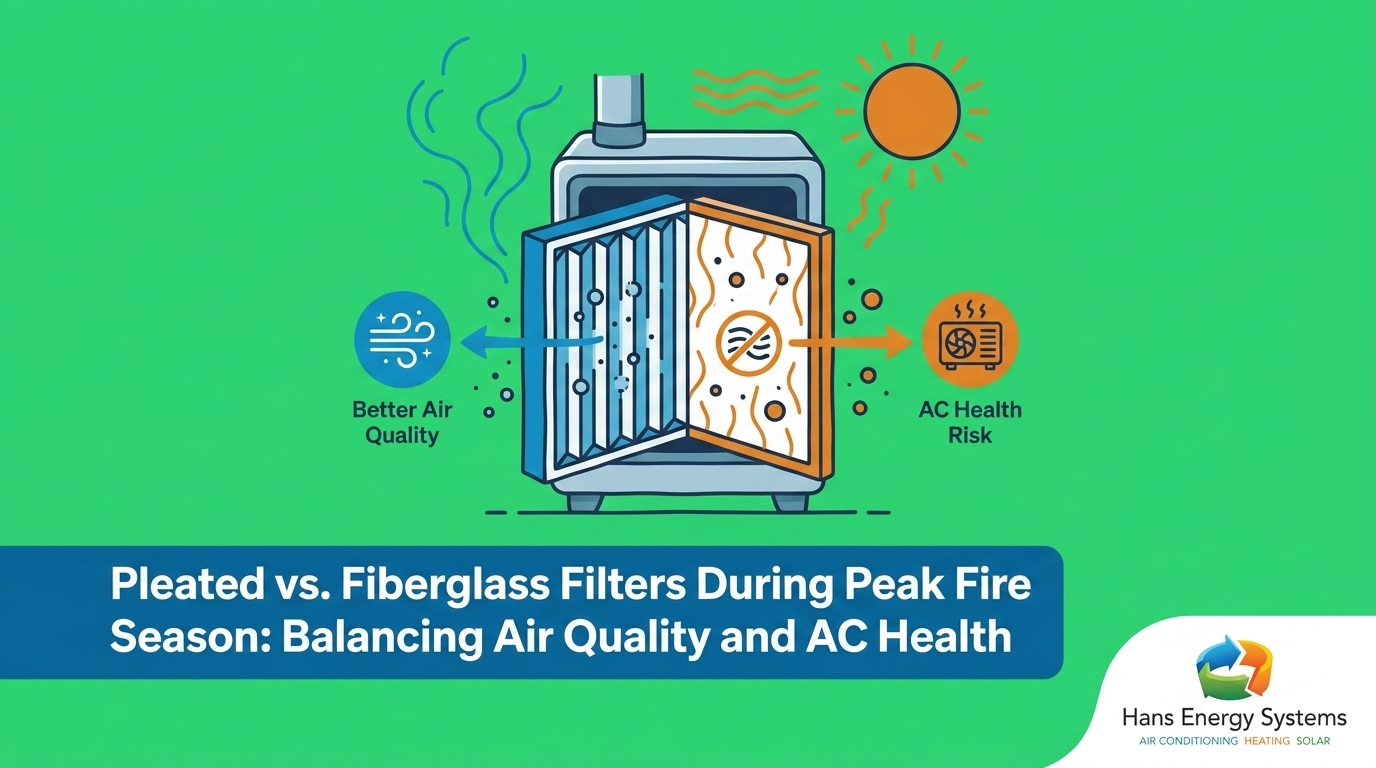
Finally, we inspect the blower motor and evaluate your indoor air quality. Depending on your home’s needs—such as if you have pets or suffer from allergies—we may recommend specific MERV-rated filters that balance high-level filtration with proper airflow.
Outdoor Unit Maintenance and Performance Testing
The outdoor condenser is the workhorse of the system. It’s responsible for releasing all the heat captured from inside your home. If the fins are clogged with dirt, leaves, or “marine layer” salt, the heat stays trapped, and the system works overtime.
During the tune-up, we measure the “amp draw” of the fan motor and compressor. If a motor is drawing more electricity than it’s rated for, it’s a sign that the component is failing. Catching this early prevents the system from “short cycling.” When Ac Starts Short Cycling In Poway/, it turns on and off rapidly, which is incredibly hard on the hardware and your energy bill. We also check the “temperature split”—the difference between the air going into the system and the air coming out—to ensure a healthy 15–20 degree drop.
Navigating San Diego’s Microclimates: Coastal Salt vs. Inland Dust
San Diego is unique because a home in La Jolla has completely different maintenance needs than a home in Santee or Ramona.
Coastal Areas (Carlsbad, Del Mar, Ocean Beach):
The primary enemy here is salt air corrosion. The salt in the marine layer is highly corrosive to the aluminum fins on your outdoor condenser. Over time, the salt eats away at the metal, reducing the unit’s ability to release heat. If you hear your unit making strange sounds, it might be due to this structural degradation. Knowing Why Your Ac Unit Makes Buzzing Sounds/ can help you identify when coastal wear has become a mechanical problem. We often recommend “coastal coatings” for units within five miles of the ocean to prolong their life.
Inland Areas (Escondido, Lakeside, El Cajon):
Inland homeowners deal with extreme heat and dust. During a Santa Ana wind event, dust and debris can clog a condenser in a single afternoon. The high heat also means the system runs for much longer cycles. These Common Ac Problems In Poway And Solutions/ usually revolve around failed capacitors and worn-out fan motors caused by the intense workload.
Timing Your Service: When Should I Book My Maintenance?
Timing is everything. Most homeowners wait until the first 90-degree day in June to realize their AC isn’t working. By then, every reputable HVAC company in San Diego has a week-long waiting list.
The “Spring Window”—specifically March through May—is the ideal time for your ac tune up guide for the san diego area homeowners checklist. Booking during this time ensures your system is ready for the first heat wave and gives you time to handle any necessary repairs at a relaxed pace. We often recommend a Pre Summer Ac Installation In Poway/ if your system is over 15 years old and struggling, but a tune-up is the first step in making that determination.
By maintaining your system in the spring, you also prepare for SDG&E’s peak pricing hours (typically 4 PM to 9 PM). An efficient system cools your home faster before the expensive peak rates kick in, saving you a significant amount of money over the summer.
Best Practices for Scheduling Your AC Tune Up Guide for the San Diego Area Homeowners
- Annual Frequency: At a minimum, every system needs a professional eye once a year.
- Bi-Annual Needs: If you live in a hot inland area like El Cajon or have an older system, a bi-annual check (Spring for AC, Fall for Heating) is highly recommended.
- Technician Availability: Avoid the “emergency rush” months of July and August.
- Maintenance Plans: Many of our neighbors find that a Hvac Maintenance Plan Poway Ca/ is the easiest way to stay on top of things, as it includes scheduled reminders and priority Hvac Service In Poway Ca/.
DIY Maintenance Tasks for Homeowners Between Professional Visits
While a professional tune-up is essential for the technical components, there are several things you can do to keep your system happy between visits.
- Change Your Filters: This is the single most important DIY task. Check them monthly and replace them every 1–3 months. If you have pets, you’ll likely need to change them more often.
- Clear the Area: Ensure there are at least two feet of clear space around your outdoor unit. Trim back bushes, remove weeds, and clear away any dead leaves.
- Check the Vents: Make sure furniture, curtains, or rugs aren’t blocking your supply or return vents. Blocked vents cause pressure imbalances that can damage the blower motor.
- Pre-Heat Wave Prep: Prepping Your Ac For A Heat Wave Without Breaking A Sweat/ involves testing the system a few days before the heat arrives. Turn it on, let it run for 15 minutes, and make sure the air feels crisp.
- Monitor Performance: If you notice one room is significantly warmer than others, you might be Fixing Uneven Cooling Issues In Ductless Ac/ or central systems by checking for duct leaks or blocked registers.
Frequently Asked Questions about San Diego AC Maintenance
How often should I get an AC tune-up in San Diego?
For most homes, once a year in the spring is sufficient. however, if you live in the hotter inland valleys or have a home with significant dust or pets, a bi-annual schedule (every six months) ensures the system stays clean and the air quality remains high.
What are the signs my AC needs a professional tune-up?
Look for warning signs like unusual noises (banging, buzzing, or squealing), “short cycling” where the unit turns off and on rapidly, or a sudden, unexplained spike in your energy bill. Weak airflow or air that feels lukewarm are also immediate indicators that a professional needs to look at the refrigerant levels or the blower motor.
Can a tune-up help with high SDG&E bills?
Absolutely. A system with dirty coils and a clogged filter can use 15% to 30% more energy to provide the same amount of cooling. By cleaning the components and ensuring the refrigerant is at the optimal level, the system runs for shorter periods and draws less power, which directly impacts your monthly bill.
Conclusion
At Hans Energy Systems, we understand that your home is your sanctuary. Whether you are in the heart of Poway or out on the coast in Del Mar, a reliable air conditioner is key to your family’s comfort. By following this ac tune up guide for the san diego area homeowners, you are investing in the longevity of your home and the efficiency of your energy use.
Don’t wait for the next heat wave to find out your system isn’t up to the task. Our team is proud to serve our local community with reliability, quick installs, and exceptional customer service. We live here, we work here, and we know exactly what San Diego systems need to survive the SoCal sun.
Schedule your professional AC maintenance today and stay cool all year long.