
Why Understanding How a Tune Up Improves Efficiency and Lowers Bills Can Save You Real Money
How a tune up improves efficiency and lowers bills comes down to one simple idea: a clean, well-adjusted system does not have to work as hard to keep your home comfortable.
Here is a quick breakdown of how it works:
- Cleaner coils transfer heat more effectively, cutting compressor runtime by up to 10-15%
- Correct refrigerant levels prevent energy waste that can add 5-15% to your monthly cooling energy usage
- Lubricated moving parts reduce friction, so motors draw less electricity
- Calibrated thermostats stop your system from running unnecessary cycles
- Clear airflow lets your system reach the target temperature faster and shut off sooner
The result? Most homeowners see energy savings of 5-15% after a professional tune-up. Systems that have been neglected for years can see improvements of 20-30%.
The U.S. Department of Energy confirms that HVAC systems lose efficiency steadily over time without regular care. For San Diego homeowners already dealing with high utility bills and year-round cooling demands, that gradual efficiency loss adds up fast.
The good news is that a single professional service visit can reverse much of that decline — and keep it from coming back.

What is an HVAC Tune-Up and What Does it Include?
When we talk about an HVAC tune-up, we aren’t just talking about a quick glance at your unit. At Hans Energy Systems, we view a tune-up as a comprehensive “physical” for your home’s most expensive appliance. Think of it like a 30,000-mile service for your car; you wouldn’t expect your engine to last 200,000 miles without an oil change, and your AC is no different.
A professional HVAC Maintenance visit typically involves a rigorous 21-point checklist. This isn’t just busy work—each step is designed to address a specific point of failure or efficiency drain.
Here is what a deep-dive tune-up looks like in May 2026:
- Safety Inspections: We check the heat exchanger for cracks (crucial for preventing carbon monoxide leaks) and ensure all safety controls are responsive.
- Mechanical Lubrication: Friction is the enemy of efficiency. We lubricate motors and bearings to ensure they spin freely, which reduces the “startup” energy surge and operational noise.
- Electrical Connection Tightening: Over time, the vibrations of your unit can loosen electrical wires. Loose connections are a major fire hazard and can cause components to draw more current than necessary.
- Condensate Drain Cleaning: Algae and debris love to grow in the damp environment of your drain line. We clear these to prevent water damage to your drywall and floors.
- Component Testing: We test capacitors and relays. These parts often show signs of “weakness” before they actually fail. Catching a weak capacitor during a tune-up prevents a total system breakdown during a heatwave.
- Performance Calibration: We verify that your system is actually doing what it says it’s doing. This includes measuring the “Delta T”—the temperature difference between the air going in and the air coming out—to ensure optimal heat exchange.
How a Tune Up Improves Efficiency and Lowers Bills
It is easy to see a tune-up as just another household chore, but it is actually a high-return investment. In the San Diego area, where the sun is relentless and utility rates are some of the highest in the country, every percentage point of efficiency matters.
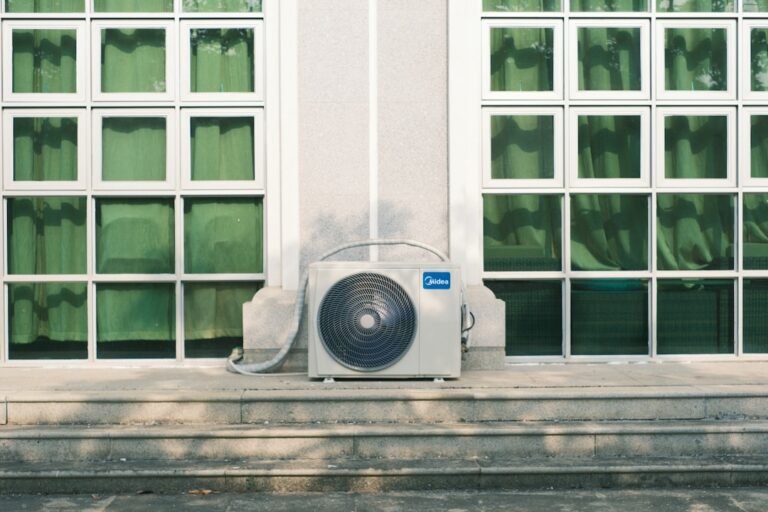
How a tune up improves efficiency and lowers bills is largely a matter of physics. When your condenser coils (the ones in the outdoor unit) are covered in a layer of dust, pet hair, or sea salt from the coast, they act like they are wearing a winter coat in the middle of July. This “insulation” prevents the system from releasing heat to the outside air.
By cleaning these coils, we restore the metal-to-air contact. This allows the heat transfer process to happen much faster. When the heat moves out quickly, the compressor doesn’t have to run as long to reach your desired indoor temperature. Shorter runtimes mean less electricity consumed and a much lower bill at the end of the month.
How a Tune Up Improves Efficiency and Lowers Bills by Restoring Airflow
Airflow is the lifeblood of your HVAC system. If your system can’t “breathe,” it can’t cool. One of the most common culprits of high energy bills is restricted airflow caused by neglected maintenance.
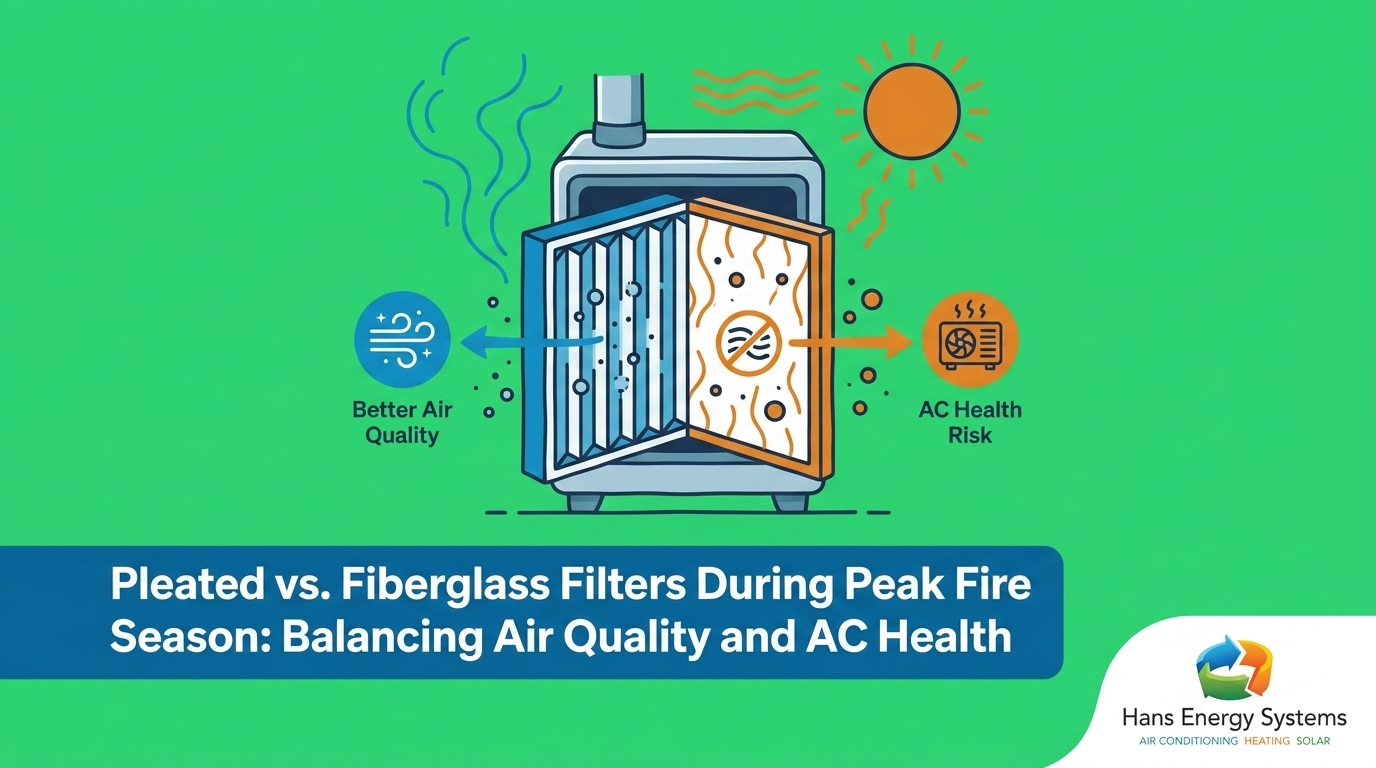
We often see that Dirty Air Filters Can Harm AC Efficiency more than almost any other factor. When a filter is clogged, the blower motor has to work twice as hard to pull air through the fabric. This increases the “static pressure” within your ductwork, putting immense strain on the motor and causing it to pull significantly more power.
During a tune-up, we go beyond just the filter. We inspect the evaporator coil (the indoor coil). If this coil is fouled with dust, it creates a physical barrier that prevents the refrigerant from absorbing heat from your indoor air. By cleaning these components and optimizing the blower motor, we ensure consistent cooling across every room in your house. No more “hot spots” in the upstairs bedroom or “ice boxes” in the living room.
How a Tune Up Improves Efficiency and Lowers Bills through Precision Calibration
Even a perfectly clean system can waste money if it isn’t “tuned” correctly. This is where precision calibration comes into play.
One of the most critical steps is refrigerant level verification. Refrigerant is the “transportation” for the heat in your home. If the levels are even slightly low (often due to tiny pinhole leaks), the system loses its “capacity.” It might still blow cool air, but it won’t be cold air. This causes the system to “short-cycle” or run almost continuously because it can never quite satisfy the thermostat.
Speaking of thermostats, we also test for accuracy. If your thermostat is off by just two degrees, it could be forcing your system to run 15% longer than necessary. We calibrate the sensors and check the cycle frequency to prevent energy waste. This ensures your system hits its peak performance marks, just as the manufacturer intended.
Signs Your Poway Home Needs an AC System Check
How do you know if you are currently “burning cash”? Your HVAC system usually tries to tell you when it’s struggling, but the signs can be subtle if you aren’t looking for them.
If you live in Poway, Escondido, or Rancho Bernardo, keep an eye out for these red flags:
- Rising Utility Bills: If your bill is noticeably higher than it was this time last year, but the weather has been roughly the same, your system is likely losing efficiency.
- Uneven Room Temperatures: If the kitchen is freezing but the home office feels like a sauna, your airflow is likely restricted or your system is improperly balanced.
- Strange Noises: Grinding, squealing, or clanking are not “normal” sounds. These usually indicate a belt is about to snap or a motor bearing is failing.
- Musty Odors: This often points to a clogged condensate line or dirty coils where mold and bacteria are beginning to thrive.
- Frequent Short-Cycling: If your AC turns on and off every five minutes, it is under extreme stress. This is a major energy hog and will lead to a premature compressor failure.
If you notice any of these, it’s time to schedule an AC System Check. Especially as we head into the peak heat of May 2026, catching these issues now prevents a “no-cooling” emergency when the Santa Ana winds kick in.
Professional Maintenance vs. DIY: Protecting Your Investment
We often get asked: “Can’t I just change the filter and spray the outside unit with a hose myself?”
While DIY tasks like changing filters monthly and keeping debris two feet away from your outdoor unit are excellent habits, they are not a replacement for professional service. There are several reasons why a professional tune-up is a necessary part of protecting your home investment:
- Warranty Compliance: This is the big one. Almost every major HVAC manufacturer requires documented proof of annual professional maintenance to honor their parts warranty. If your compressor fails in year seven and you haven’t had a pro look at it, the manufacturer may deny your claim, leaving you with a substantial repair bill.
- Safety Hazards: HVAC systems involve high-voltage electricity and pressurized chemicals. Only EPA-certified technicians should handle refrigerant, as improper levels can permanently damage the compressor or harm the environment.
- Specialized Diagnostic Tools: We use digital manifolds, combustion analyzers, and thermal imaging that the average homeowner doesn’t have in their garage. These tools allow us to see “invisible” efficiency losses.
- Long-Term Lifespan: A neglected system typically lasts 8-10 years. A well-maintained system can easily last 15 years or more. By choosing an HVAC Maintenance Plan Poway CA, you are essentially delaying the significant expense of a full system replacement for an extra half-decade.
Furthermore, if you have integrated green tech, such as Solar Energy Maintenance, keeping your HVAC efficient is even more important. An inefficient AC can “eat up” all the credits your solar panels are producing, negating the savings you expected from your renewable investment.
Frequently Asked Questions about HVAC Efficiency
How often should I schedule a tune-up in San Diego?
In most parts of the country, once a year is fine. However, in San Diego—from Chula Vista up to Oceanside—our systems run almost year-round. Because of this high-use environment, we strongly recommend a biannual service: a spring cooling prep (March–May) and a fall heating prep (September–November). This ensures you are never caught off guard by a seasonal shift.
Can a tune-up really prevent emergency repairs?
Yes! Roughly 80% of all HVAC repairs could have been prevented with regular maintenance. During a tune-up, we look for “early defect detection.”
For example, if we see a fan belt is starting to fray or a capacitor is bulging, we can replace it right then and there for a fraction of the expense of an emergency after-hours call. It’s much better to fix a small part on a Tuesday morning than to have your AC die on a Saturday afternoon when it’s 100 degrees in El Cajon.
Why do HVAC systems lose efficiency over time?
It’s a combination of dirt accumulation and mechanical wear. As dust builds up on the internal components, it creates friction and thermal resistance. Additionally, refrigerant can slowly permeate through seals, and motors can lose their “punch” as internal components wear down. A fouled system can easily see a 20-30% drop in efficiency, meaning you are consuming 30% more energy for the exact same amount of cooling.
Conclusion: Maximize Your Comfort and Savings in San Diego
At Hans Energy Systems, we believe that you shouldn’t have to choose between a comfortable home and a reasonable utility bill. Understanding how a tune up improves efficiency and lowers bills is the first step toward taking control of your home’s energy consumption.
By investing in regular HVAC Maintenance, you aren’t just paying for a technician to clean some coils. You are paying for:
- Lower monthly overhead.
- A system that lasts years longer.
- Better indoor air quality for your family.
- The peace of mind that comes from knowing your system won’t quit when you need it most.
Whether you are in La Jolla, San Marcos, or Santee, our team is dedicated to providing the reliability and exceptional customer service that San Diego homeowners deserve. Don’t wait for your bills to skyrocket or your system to fail. Schedule your AC System Check today and start keeping more of your hard-earned cash in your pocket.