
Why Southern California Homes Are a Perfect Fit for Mini Split Zone Comfort
How mini splits provide zone comfort in southern california mild weather is one of the smartest HVAC questions a San Diego-area homeowner can ask in 2026. If your energy bills keep climbing while some rooms stay stuffy and others feel freezing, you’re not alone — and the fix is simpler than you might think.
Here’s the short answer:
Mini splits give you zone comfort in Southern California’s mild weather by:
- Cooling or heating only the rooms you’re using — so you stop paying to condition empty spaces
- Eliminating duct energy loss — traditional ducts waste 20–30% of conditioned air before it even reaches a room
- Adjusting output continuously — inverter-driven compressors match the mild, variable SoCal climate instead of blasting on and off
- Handling microclimates room by room — coastal bedrooms, sun-baked living rooms, and inland offices can each stay at their own ideal temperature
- Filtering air independently per zone — critical during wildfire smoke season when keeping windows closed matters most
Southern California’s climate looks mild on paper — but anyone who’s lived here knows the reality. Morning fog rolls in off the coast while inland neighborhoods are already hitting the mid-80s. A single thermostat controlling your whole home simply can’t keep up with that kind of variation. Mini splits were built for exactly this kind of challenge.
Homeowners who make the switch to active zone control regularly report cutting their monthly cooling costs nearly in half. That’s not just about the hardware — it’s about only running what you need, where you need it.

Understanding the Mechanics of Ductless Zoning
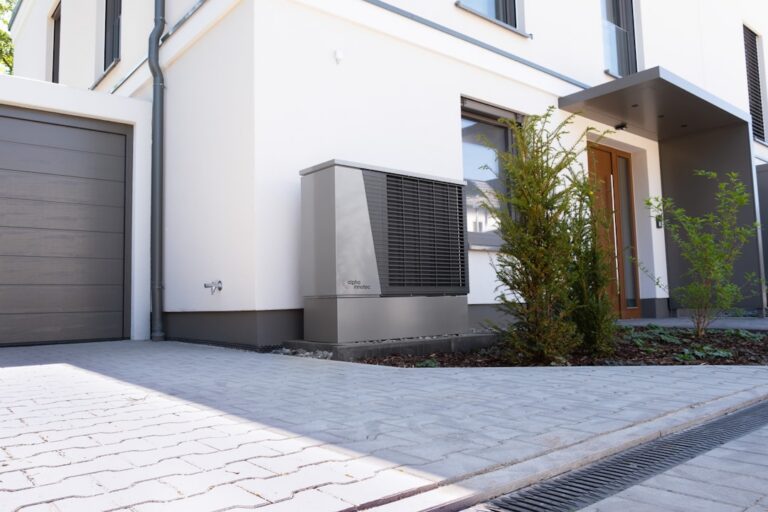
To understand why these systems are so effective, we have to look under the hood. A ductless mini split system consists of two main parts: an outdoor condenser unit and one or more indoor air handlers. Unlike a massive central furnace or AC that forces air through a web of dusty metal pipes in your attic, mini splits deliver conditioned air directly into the room.
The “magic” happens through inverter technology. Think of a traditional central AC like a light switch — it’s either 100% on or 100% off. It blasts cold air until the thermostat is satisfied, then shuts down. Inverter-driven compressors are more like a dimmer switch. They “sip” power, ramping up or down gradually to maintain a perfectly steady temperature. This is a game-changer for ductless AC services in places like Poway or Carlsbad, where the weather might shift ten degrees in an hour.
Each indoor unit is connected to the outdoor condenser by a small conduit housing the power cable, refrigerant tubing, and a drain line. This only requires a tiny three-inch hole in your exterior wall. Because each indoor unit has its own thermostat, you can set the kitchen to 72 degrees while the guest room stays at 78, or is turned off entirely.
How mini splits provide zone comfort in southern california mild weather through independent control
The beauty of independent control is that it solves the “thermostat wars” common in many San Diego households. We’ve all been there: one person is freezing in the bedroom while another is sweltering in the home office. Because each zone operates on its own, you get personalized comfort without compromise.
This precision also helps in fixing uneven cooling issues in ductless AC that often plague larger homes. If you have a two-story home in Rancho Bernardo, you know that heat rises. A central system often leaves the upstairs bedrooms uncomfortably warm while the downstairs living room feels like a walk-in freezer. With a multi-zone mini split, you can prioritize cooling for the upstairs zones in the evening without wasting energy on the empty downstairs.
How Mini Splits Provide Zone Comfort in Southern California Mild Weather
Southern California is famous for its microclimates. You can drive from a foggy 65-degree morning in Del Mar to a sunny 80-degree afternoon in Escondido in about twenty minutes. Your home experiences these same shifts.

How mini splits provide zone comfort in southern california mild weather becomes evident when you consider the “May Gray” and “June Gloom.” During these periods, your home might feel damp and chilly in the morning, requiring a tiny bit of heat to take the edge off. By 2:00 PM, the sun breaks through, and those south-facing windows start turning your living room into a greenhouse. A mini split handles this transition seamlessly, switching from a gentle heating mode to a dehumidifying cooling mode without the massive energy spike of a central system.
We also have to contend with the Santa Ana winds. These dry, hot gusts can spike temperatures into the 90s even in the middle of winter. Mini splits are incredibly responsive to these sudden changes, providing immediate relief to specific “hot spots” in your home. If you’re struggling with temperature inconsistencies in ductless AC zones, it’s often because the system wasn’t sized for the specific solar gain of your windows — something we always account for during installation.
Why how mini splits provide zone comfort in southern california mild weather is ideal for coastal homes
For our neighbors in Oceanside, Cardiff, and Solana Beach, the salt air is a real factor. Traditional central AC units often suffer from corrosion on the outdoor coils, leading to a shortened lifespan. Modern mini split systems often come with specialized anti-corrosion coatings designed to withstand the coastal environment.
Furthermore, coastal homes often have smaller footprints or are built with architectural styles that don’t allow for bulky ductwork. The compact design of a ductless system means you don’t have to sacrifice closet space or drop your ceilings to stay cool. You get the benefit of modern climate control while preserving the beach-bungalow charm.
Maximizing Efficiency in Homes Without Ductwork
If you live in an older home in North Park or La Jolla, you might not have any ductwork at all. In the past, adding AC meant a massive, invasive renovation. Today, mini splits are the gold standard for retrofitting historic properties.
| Feature | Central AC (Ducted) | Mini Split (Ductless) |
|---|---|---|
| Energy Loss | 20–30% through leaky ducts | 0% (Direct delivery) |
| Installation | Invasive, requires major construction | Minimally invasive (3-inch hole) |
| Zoning | Difficult and expensive to add | Built-in by design |
| Operating Noise | 30–40 decibels (Vents) | 19–25 decibels (Near silent) |
| Efficiency | Maxes out around 21 SEER2 | Can reach 30+ SEER2 |
As of 2026, the industry has fully transitioned to SEER2 and HSPF2 standards. These are more rigorous testing procedures that better reflect real-world “mild weather” performance. Many of the systems we install exceed the California minimum of 15.2 SEER2, reaching levels as high as 30. For a detailed look at how these are put together, check out our ductless mini split installation guide 2025.
The role of inverter technology in how mini splits provide zone comfort in southern california mild weather
We often use the “conveyor belt” analogy. Imagine heat units are packages. A traditional AC waits for a pile of packages to build up, then runs a high-speed conveyor belt to clear them all at once, using a ton of electricity. An inverter system runs the conveyor belt at a slow, steady crawl, picking up packages as they appear.
This “power sipping” is why you see such a dramatic drop in utility bills. By maximizing energy savings with ductless AC, you’re not just being eco-friendly; you’re protecting your wallet from the rising electricity rates in San Diego County.
Strategic Installation for Multi-Zone Comfort
Getting the most out of your system requires more than just buying the right hardware; it requires a strategic layout. We don’t just “slap a unit on the wall.” We perform a Manual J load calculation to determine exactly how many BTUs each room needs based on its size, insulation, and window exposure.
There are several types of indoor units to choose from:
- Wall-Mounted: The most common and cost-effective option, placed high on the wall for optimal airflow.
- Ceiling Cassettes: These sit flush with the ceiling, perfect for a clean, minimalist look in a modern Del Mar home.
- Floor Consoles: Ideal for rooms with high windows or sloped ceilings where wall space is limited.
- Slim-Duct: These are hidden behind a vent, providing the look of central AC with the efficiency of a mini split.
For residents looking for mini split installation in Poway, we often recommend a mix-and-match approach. You might want a quiet wall unit in the bedroom but a sleek ceiling cassette in the main living area.
Zoning solutions for specialized spaces like the garage or sunroom
One of the most popular uses for mini splits in Southern California is for “problem rooms.” Have you converted your garage into a home gym or a “man cave” in Scripps Ranch? Or maybe you have a sunroom that feels like a sauna by noon?
A garage mini split is a perfect solution because it provides powerful cooling without needing to tap into your main home’s HVAC system. This is also vital for ADUs (Accessory Dwelling Units). With California’s push for more housing, many homeowners are building “granny flats.” A multi-zone mini split allows the ADU to have its own independent climate control, which is often a requirement for rental agreements and Title 24 energy compliance.
Maintaining Your System for Year-Round Performance
While mini splits are incredibly reliable, they aren’t “set it and forget it” machines. Because they don’t have massive filters in a central return, the small mesh filters inside the indoor units need regular attention.
We recommend checking these filters every month, especially during the summer and fall. In Southern California, we also have to deal with wildfire smoke. During fire season, the air quality (IAQ) can plummet. Mini splits are a lifesaver here because they allow you to keep all your windows tightly shut while still enjoying fresh, cooled air. Many modern units feature multi-stage filtration that can trap smoke particles and allergens, making your home a sanctuary when the outdoor air is hazardous.
Annual professional tune-ups are also a must. We check refrigerant levels, clean the outdoor coils (especially important for coastal salt-air homes), and ensure the condensate drains are clear. A well-maintained system can last 15 to 20 years, providing a fantastic return on your investment.
Frequently Asked Questions about Mini Split Zoning
Is a multi-zone system better than central AC for older SoCal homes?
In almost every case, yes. Older homes in areas like North Park or Coronado often lack the attic space for modern, insulated ductwork. Forcing a central system into these homes usually results in massive energy loss and uneven temperatures. Mini splits preserve the structural integrity of your home and offer much higher efficiency. Plus, you get the benefit of zoning, which most central systems can’t do without expensive motorized dampers.
How do mini splits handle wildfire smoke during California’s fire season?
Mini splits are excellent for smoke protection. Because they are ductless, there’s no risk of smoke particles settling in hidden ductwork and recirculating for months. Most units come with advanced filters, and some even offer HEPA-grade options. By creating a “closed-loop” environment in each room, you can maintain high indoor air quality even when the sky outside is orange.
Can I add more zones to my mini split system later?
This depends on the outdoor unit you install initially. If you think you might want to add a unit to the master bedroom next year, we can install a multi-port condenser today that has “room to grow.” This is a great way to “future-proof” your home comfort. However, you cannot simply “tap into” an existing single-zone line; the outdoor unit must be designed for multiple connections.
Conclusion
At Hans Energy Systems, we’ve seen how how mini splits provide zone comfort in southern california mild weather changes the way people live in their homes. No more avoiding the upstairs during the day, and no more astronomical electric bills in August. We take pride in our quick installs and exceptional customer service, serving every corner of San Diego County from Poway to Chula Vista.
Whether you’re looking to cool a new home office, retrofit a beautiful historic property, or finally fix that one room that’s always too hot, we’re here to help. Our team understands the unique microclimates of the San Diego area and will design a system that fits your lifestyle and your budget perfectly.
Don’t spend another season “battling the thermostat” or paying to cool an empty house. Schedule your ductless AC consultation today! and let us show you how comfortable your home can really be.