
Why Good Insulation Is the Foundation of Cooling Efficiency
How insulation impacts cooling performance is simpler than most homeowners think — and the answer has a direct effect on your energy bill every single San Diego summer.
Here’s the short version:
- Insulation acts as a thermal barrier that slows heat from moving through your walls, attic, and floors into your cooled living space
- Without it, your AC works harder — running longer cycles, wearing out faster, and driving up your monthly bills
- The attic is the biggest culprit — attic spaces can reach 130–150°F in summer, radiating heat straight down into your home
- Up to 30% of energy loss in the average American home comes from poor insulation, according to the U.S. Department of Energy
- Proper insulation can cut cooling costs by 15–50%, depending on which areas are treated and how well air leaks are sealed alongside it
Most San Diego homeowners focus entirely on their AC unit when cooling bills spike — but if your home’s thermal envelope is leaking heat, even a brand-new system will struggle to keep up. Good insulation doesn’t replace your air conditioner. It makes it work the way it was designed to.
Think of it this way: running your AC in a poorly insulated home is like trying to cool a room with the window wide open. The equipment keeps running, the temperature never quite settles, and the energy meter keeps spinning.
In the sections below, we’ll walk through exactly how insulation affects your cooling system — from the physics of heat transfer to the specific materials and areas that matter most for homes in the San Diego area.

The Science of How Insulation Impacts Cooling Performance
To understand why your AC struggles on a July afternoon in Escondido or El Cajon, we have to look at the physics of heat. Heat is naturally restless; it always wants to move from a warmer area to a cooler one. This process is called thermal transfer.
When we talk about how insulation impacts cooling performance, we are really talking about “thermal resistance.” Insulation is designed to be the “thermal bouncer” of your home, standing at the door and telling the outdoor heat it isn’t on the guest list.
There are three ways heat tries to sneak into your home:
- Conduction: Heat moving through solid materials (like your wall studs).
- Convection: Heat circulating through the air.
- Radiation: Radiant heat from the sun hitting your roof and beaming inward.
Insulation works by trapping tiny pockets of air within its material. Because air is a poor conductor of heat, these pockets slow down the movement of energy. This also helps maintain better Indoor Air Quality by preventing the “stack effect,” which can pull dusty attic air down into your living spaces.
Understanding R-values and thermal resistance
In home comfort, we measure the “strength” of insulation using R-values. The “R” stands for resistance. The higher the R-value, the better the material is at resisting heat flow.
For our San Diego climate (which falls into Climate Zone 3), the requirements are specific. While a home in Maine needs a massive “winter coat” of insulation, our homes need a strategic “summer shield.” The effectiveness of your insulation depends on the material’s density and how well it suppresses heat flow. If your insulation is compressed—say, by old storage boxes in the attic—it loses its air pockets and its R-value drops significantly.
How insulation impacts cooling performance by reducing thermal bridging
One of the most overlooked aspects of home cooling is thermal bridging. Imagine your wall: it’s not just insulation; it’s also made of wood studs. Heat moves through wood much faster than it moves through insulation. These studs act as “bridges,” allowing heat to bypass your insulation entirely.
By creating a continuous building envelope—often through “continuous insulation” or spray foam that covers the studs—we can break these bridges. This ensures that the cool air your AC worked so hard to produce stays inside, rather than being neutralized by heat seeping through the very frame of your house.
| Insulation Type | Typical R-Value (per inch) | Best Use Case |
|---|---|---|
| Spray Foam (Closed Cell) | 6.0 – 7.0 | Air sealing & high moisture resistance |
| Spray Foam (Open Cell) | 3.5 – 3.8 | Interior walls and sound dampening |
| Blown-in Cellulose | 3.2 – 3.8 | Retrofitting existing finished walls |
| Fiberglass Batts | 2.2 – 3.4 | Standard joist and stud bays |
Critical Areas to Insulate for Maximum AC Efficiency

If you want to see the biggest change in your comfort, you have to prioritize. Not all walls are created equal when it comes to heat gain. In a typical San Diego home, the roof and attic are the primary battlefronts.
How insulation impacts cooling performance in the attic
Think of your attic as a “heat bomb.” During a typical afternoon in Poway or Ramona, the sun beats down on your shingles. Through radiant heat transfer, that energy moves into the attic space. Without proper ventilation and insulation, attic temperatures can soar to 150°F.
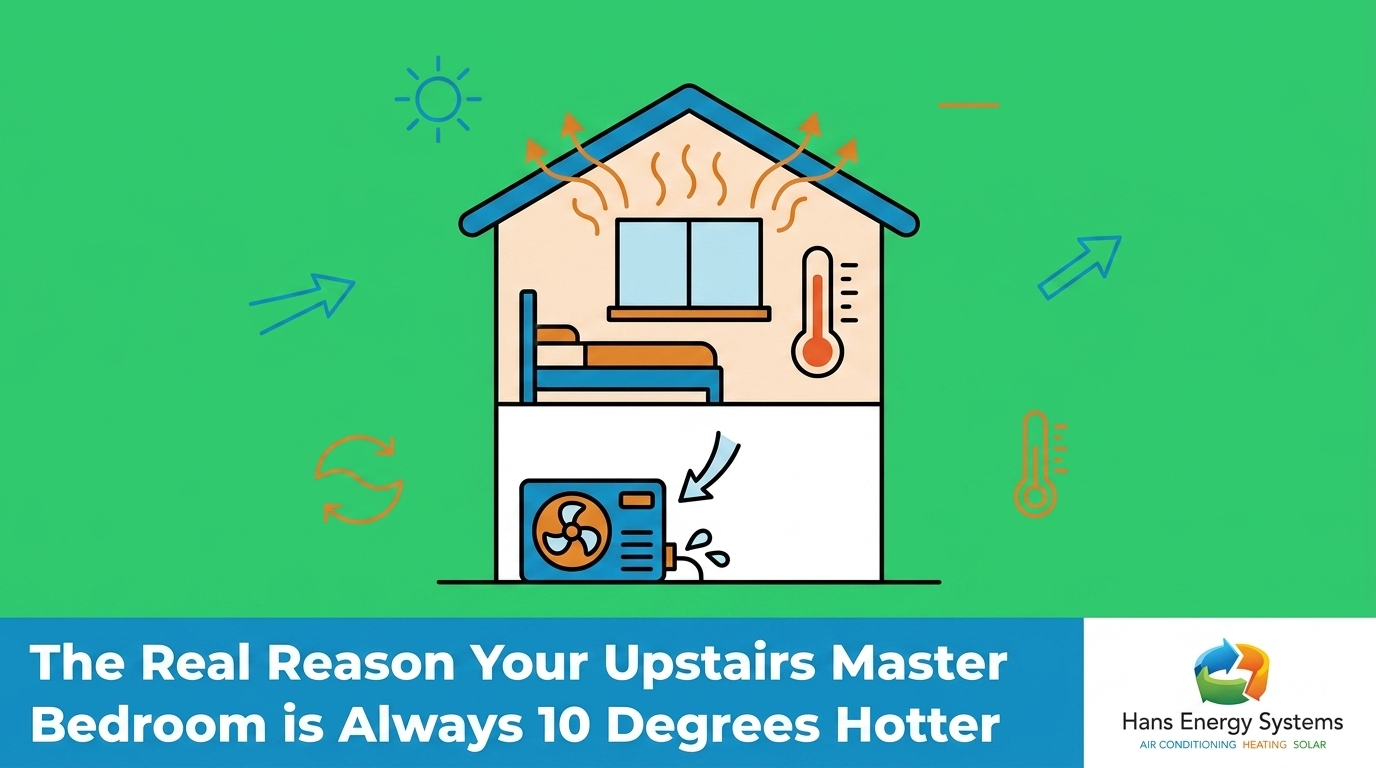
That heat doesn’t stay in the attic. It radiates through your ceiling and into your bedrooms. If you’ve ever noticed that your second floor is 10 degrees hotter than your first floor, you’ve met the “heat bomb” firsthand. Upgrading to modern standards (often R-49 or higher) creates a shield that keeps that 150-degree air from “slow-roasting” your living room.
For those looking for modern alternatives to traditional central air, Maximizing Energy Savings with Ductless AC can be a great way to cool specific “hot zones” that insulation alone can’t fully fix.
Protecting ductwork in unconditioned spaces
One of the most “ridiculous” habits in home construction is placing AC ducts in a scorching hot attic. If your ducts are uninsulated and sitting in 140-degree air, the cool air inside them warms up before it even reaches your vents. This is a massive energy penalty—sometimes as high as 35%.
Insulating and sealing these ducts ensures that the “airflow balance” is maintained. When ducts leak, they don’t just lose cool air; they can also pull in dust and allergens. Dirty Air Filters Can Harm AC Efficiency, but leaky ducts in a dirty attic make the problem twice as bad.
Signs Your Home Has Poor Insulation and High Heat Gain
How do you know if your insulation is failing you? You don’t always need to crawl into the crawlspace to find out. Your home will tell you through several “symptoms.”
Identifying how insulation impacts cooling performance through uneven temperatures
The most common sign is the “hot room” syndrome. If your kitchen is freezing but your home office feels like a sauna, you likely have a gap in your thermal envelope. We call this a high “Delta T” (temperature difference).
At Hans Energy Systems, we often use infrared thermal imaging to see what the human eye can’t. These cameras reveal “thermal leaks” around electrical outlets, light fixtures, and baseboards where cool air is escaping and hot air is “hitching a ride” inside.
The relationship between insulation and humidity control
In coastal areas like Oceanside or Carlsbad, humidity is a major factor in comfort. There is a difference between sensible heat (what the thermometer says) and latent heat (the moisture in the air).
Poor insulation allows humid outdoor air to seep in through cracks. This makes your home feel “sticky,” forcing your AC to work overtime not just to cool the air, but to dehumidify it. By combining high-quality insulation with proper moisture barriers, you can stabilize your indoor climate. For a total home health approach, check out our Air Quality Solutions and Air Purification Systems to keep your indoor environment crisp and dry.
Choosing the Right Materials for the San Diego Climate
We aren’t just looking for “fluff” to throw in the attic. For 2026 standards, we look for materials that solve multiple problems at once.
Benefits of spray foam for air sealing and cooling
Spray polyurethane foam (SPF) is often the “gold standard” for cooling performance. Why? Because it insulates and air-seals in one step. Closed-cell spray foam is incredibly dense, providing a high R-value per inch while acting as a moisture barrier. This significantly reduces the “load” on your HVAC system, allowing it to cycle less frequently and last years longer.
Using radiant barriers to reflect solar heat
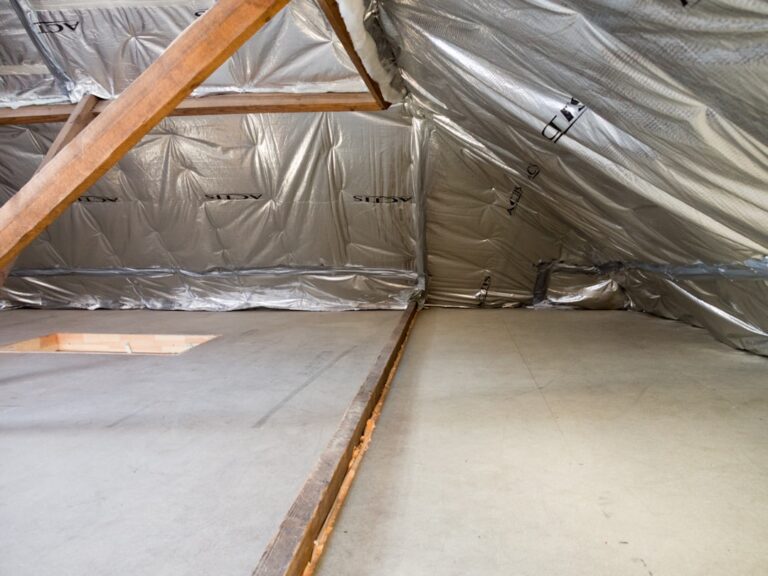
In the intense Southern California sun, a radiant barrier can be a game-changer. These are typically thin layers of reflective foil installed in the attic. Unlike traditional insulation that slows heat, radiant barriers reflect it back toward the roof. When used together with traditional insulation, they can reduce your cooling load by an additional 5-10%.
Frequently Asked Questions about Insulation and Cooling
How much can I save on cooling bills with better insulation?
While every home is different, the data is clear: over 90% of American homes are under-insulated. Homeowners in the San Diego area who upgrade their attic insulation and seal air leaks typically see a reduction in cooling costs between 15% and 50%. Most high-quality installations pay for themselves in energy savings within 3 to 7 years.
Does insulation help with indoor humidity during the summer?
Yes! By creating a tighter seal around your home, you prevent hot, wet air from infiltrating your living space. This reduces the “latent load” on your AC, meaning it doesn’t have to work as hard to pull water out of the air. This results in a much more comfortable, “crisp” indoor feel.
What government rebates are available for insulation upgrades in 2026?
As of May 2026, there are several incentives available to help San Diego residents offset the cost of energy upgrades. Federal tax credits under updated energy acts often cover a significant portion of insulation and air sealing costs. Additionally, local utility programs in areas like Chula Vista and Santee often provide rebates for homes that reach specific Energy Star efficiency benchmarks.
Conclusion
At Hans Energy Systems, we’ve seen it time and time again: a homeowner thinks they need a massive, expensive new AC unit, when what they actually need is a better “envelope” to keep the cool air inside.
How insulation impacts cooling performance is about more than just a lower bill; it’s about the longevity of your HVAC system. When your home is properly insulated, your AC doesn’t have to run “marathons” every afternoon. It takes “short sprints,” which reduces wear and tear and prevents mid-summer breakdowns.
Whether you’re in Poway, Oceanside, or Downtown San Diego, we are here to help you achieve the ultimate home comfort. Don’t let your hard-earned money leak out through your attic. Schedule an energy usage review and identify savings methods with us today and let’s make your home the cool, comfortable sanctuary it’s meant to be.