
Why Knowing How to Keep Your AC Running Efficiently All Summer Can Save You More Than Just Money
Knowing how to keep your ac running efficiently all summer is one of the smartest things a San Diego homeowner can do before the heat peaks. Air conditioning accounts for nearly half of a typical home’s energy use — and when a system is poorly maintained, that number climbs fast.
Here in the San Diego suburbs, AC isn’t just about comfort. During a heat wave, a failing unit can become a real health risk. Americans collectively spend $29 billion a year on air conditioning, and much of that goes to waste through dirty filters, air leaks, and neglected equipment.
The good news? Most of what keeps an AC running well is simple, consistent, and well within reach for any homeowner.
Here’s a quick overview of how to keep your AC running efficiently all summer:
- Replace or clean air filters every 30 days — this alone can cut energy use by up to 15%
- Set your thermostat to 78°F when home, and raise it 7–10 degrees when you leave
- Install a smart thermostat to automate temperature adjustments and save up to $141 per year
- Clean the outdoor condenser unit monthly and keep at least 2 feet of clear space around it
- Set ceiling fans to spin counterclockwise to create a cooling effect and allow a 4°F higher thermostat setting
- Seal air leaks around doors and windows with weatherstripping or caulk
- Block direct sunlight with blackout curtains or blinds during peak afternoon hours
- Schedule a professional spring tune-up before the peak cooling season begins
- Watch for warning signs like warm air, unusual noises, or rising energy bills
- Know your unit’s age — most AC systems last 15–20 years, and older units lose efficiency fast
Read on for a full breakdown of each step, why it manners, and how to get it done right.

How to Keep Your AC Running Efficiently All Summer Through Routine Care
The foundation of a cool home starts with airflow. Imagine trying to run a marathon while breathing through a thick, dusty sponge—that is exactly what your air conditioner feels like when the filter is clogged.
The Power of the 30-Day Filter Cycle
One of the easiest ways to manage how to keep your ac running efficiently all summer is to change your air filter every 30 days. Research shows that replacing a dirty, clogged filter with a clean one can lower your air conditioner’s energy consumption by 5% to 15%. When the filter is full of dust, pet hair, and San Diego pollen, the blower motor has to work twice as hard to pull air through.
Furthermore, dirty air filters can harm AC efficiency by allowing grime to settle directly on the evaporator coils. This buildup insulates the coils, preventing them from absorbing heat. In extreme cases, it can cause the system to “bypass” the filter entirely, circulating pollutants back into your living room.
Choosing the Right Filter
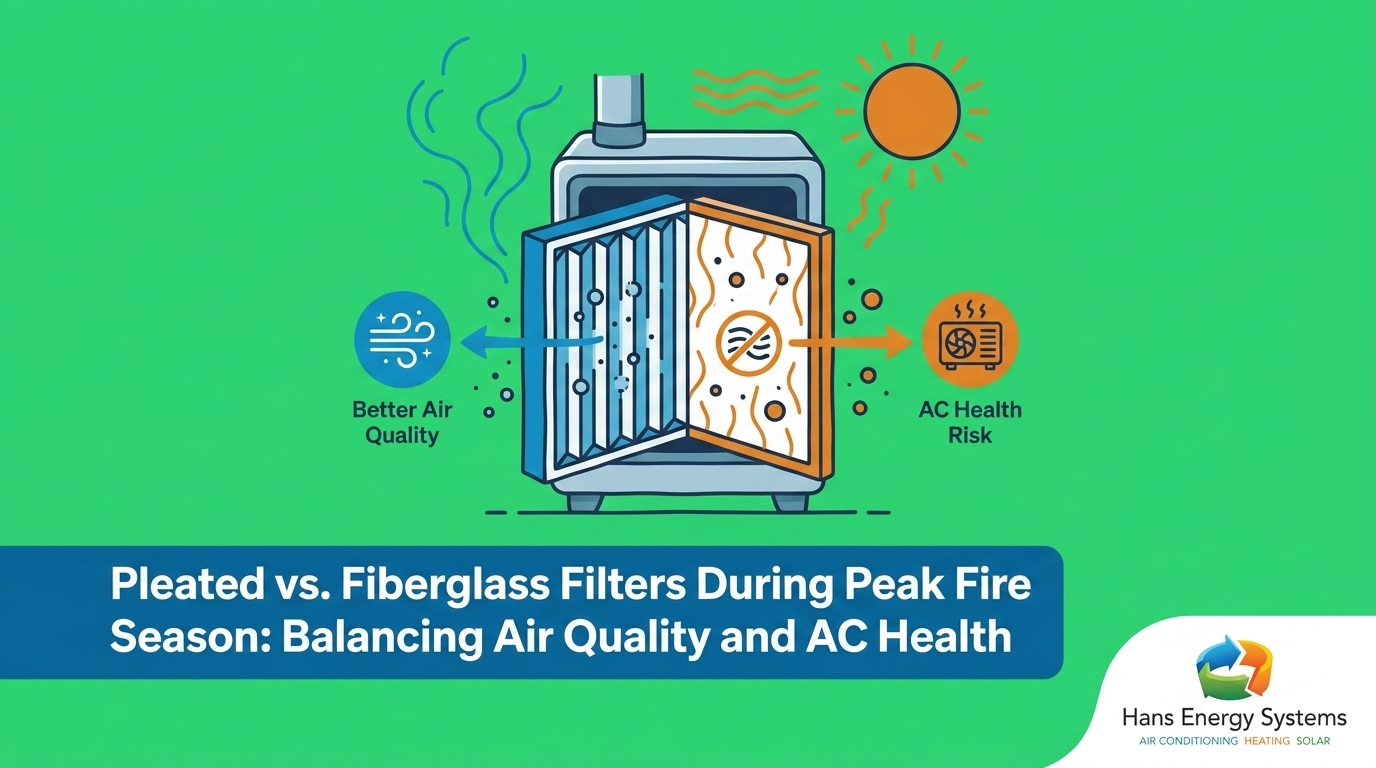
In May 2026, we recommend looking at the MERV (Minimum Efficiency Reporting Value) rating. While a basic filter is better than nothing, a MERV 13 filter is often the “sweet spot” for residential homes. It captures up to 90% of particles as small as 0.3 microns, including smoke and bacteria, without being so restrictive that it chokes your airflow.
The Importance of Professional Tune-Ups
While DIY tasks are great, some things require a professional eye. Scheduling a pre-summer AC installation in Poway or a comprehensive tune-up ensures that your refrigerant levels are correct and electrical connections are tight.
We often see systems that “turn on” but aren’t actually “operating as designed.” A professional technician can measure the “temperature split”—the difference between the air going in and the air coming out—to verify peak performance. To make this easy, many homeowners opt for a HVAC maintenance plan in Poway, CA, which puts your system’s health on autopilot.
Optimizing Your Thermostat and Airflow for Maximum Savings
Your thermostat is the brain of your cooling system. If you’re constantly “blasting” it at 65°F, you’re not cooling the house faster; you’re just making the system run longer and increasing your bill.
The “Magic Number” for Efficiency
The Department of Energy and Energy Star recommend setting your thermostat to 78°F during the summer months. While this might sound warm to some, every degree you raise the temperature can save you between 1% and 3% on your cooling costs. If you find 78°F too high, try starting at 72°F and raising it by one degree each day until your body adjusts.
Smart Settings: How to Keep Your AC Running Efficiently All Summer
By May 2026, smart thermostats have become the gold standard for HVAC service in Poway, CA. These devices can save you between $131 and $141 a year by automating your schedule.
- The 7-Degree Setback: When you leave for work or a day at the beach, raise the temperature by 7 to 10 degrees. This can save you up to 10% on your annual cooling costs.
- Geofencing: Many modern systems use your phone’s GPS to realize you’re heading home, cooling the house down just before you walk through the door.
- Sleep Mode Logic: At night, your body temperature naturally drops. Smart systems can gradually increase the temperature by one degree every hour, keeping you comfortable while the compressor takes a well-deserved break.
If you suspect your current thermostat isn’t reading accurately, it might be time for an AC system check to ensure your sensors are calibrated. Proper AC service in Poway, CA can identify if a thermostat is placed too close to a heat source, like a lamp or a sunny window, which tricks the system into running too long.
Using Ceiling Fans to Boost Comfort
Ceiling fans are an air conditioner’s best friend. They don’t actually lower the room temperature, but they create a “wind-chill effect” on your skin.
- Direction Matters: Ensure your fan is spinning counterclockwise in the summer. This pushes a breeze directly down.
- The 4-Degree Offset: Using a fan allows you to raise the thermostat by 4°F without feeling any warmer.
- The Golden Rule: Fans cool people, not rooms. If you aren’t in the room, turn the fan off!
Maintaining the Outdoor Condenser and Sealing Your Home
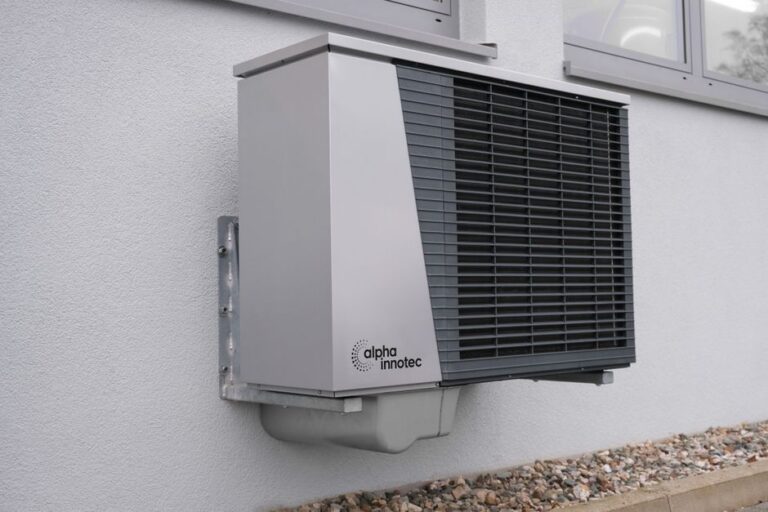
The outdoor unit (the condenser) is responsible for releasing all the heat collected from inside your home. If it’s buried under leaves or squeezed into a tight corner, that heat has nowhere to go.
Cleaning the Condenser: How to Keep Your AC Running Efficiently All Summer
For your HVAC maintenance in Poway, CA, we recommend checking the outdoor unit twice a month.
- Clear the Zone: Maintain at least a 2-foot radius of clear space around the unit. Trim back bushes, weeds, and tall grass.
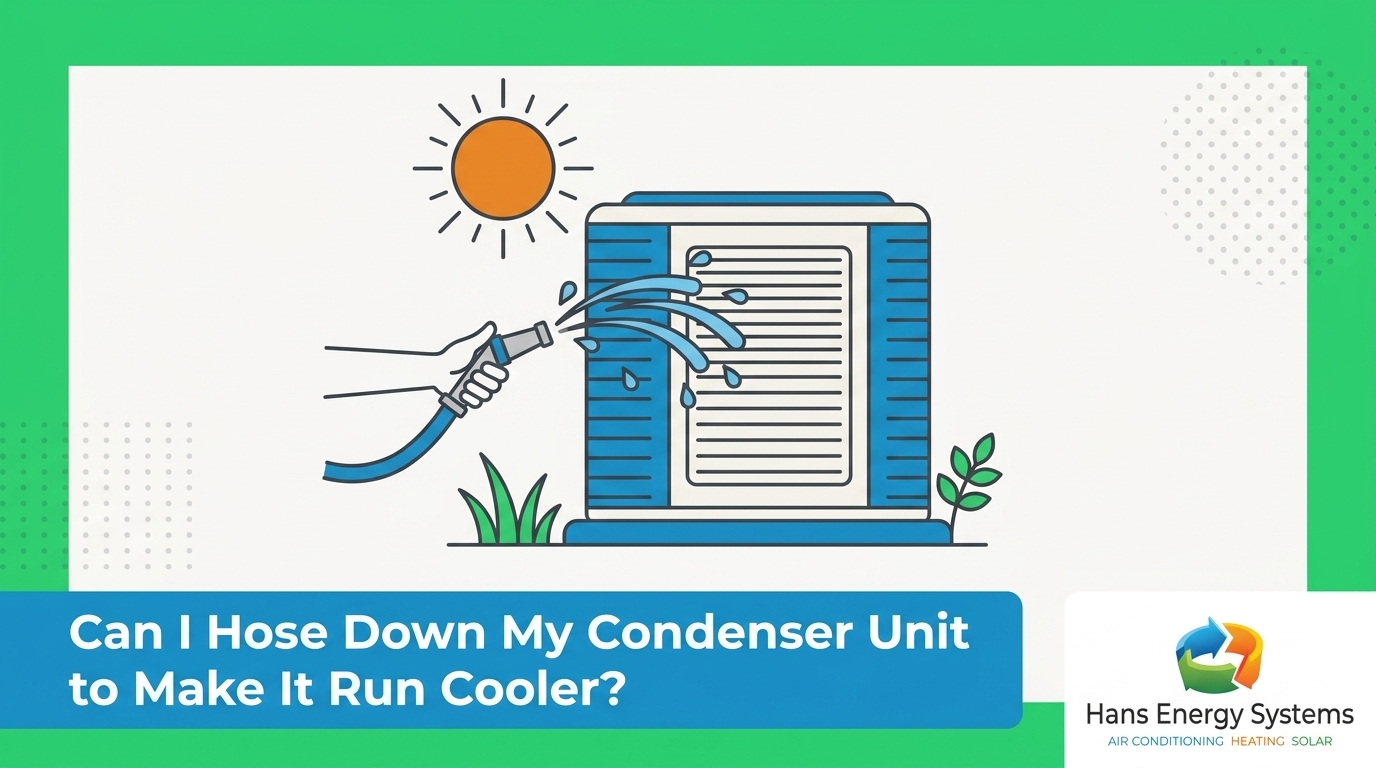
- Gently Rinse: Use a garden hose (never a pressure washer, which can flatten the delicate fins) to wash away dust and spider webs.
- Straighten Fins: If you see bent aluminum fins, you can use a “fin comb” to straighten them out, restoring vital airflow.
| Task | DIY Difficulty | Professional Benefit |
|---|---|---|
| Filter Change | Very Low | Improved IAQ |
| Clearing Debris | Low | Prevents Overheating |
| Cleaning Coils | Medium | Restores Heat Transfer |
| Checking Refrigerant | High (Pro Only) | Prevents Compressor Failure |
| Electrical Inspection | High (Pro Only) | Ensures System Safety |
If you want to go the extra mile, consider the placement of your unit. Condensers on the north or east side of the house stay in the shade longer, which can improve efficiency by up to 10% compared to units sitting in the direct afternoon sun. Regular HVAC maintenance in Poway, CA is the best way to ensure these external factors aren’t killing your compressor.
Sealing Air Leaks and Blocking Solar Heat
There is no point in paying to cool the air if it’s just going to leak out of the house.
- The Dollar Bill Test: Close a door or window on a dollar bill. If you can pull it out without any resistance, you have a leak.
- The Smoke Trick: Hold a lit incense stick near window frames. If the smoke blows sideways, you’ve found a draft.
- Weatherstripping and Caulk: These inexpensive fixes can prevent your cool air from escaping.
Don’t forget the power of the sun. Windows can account for up to 30% of your home’s heat gain. Using blackout curtains or energy-efficient blinds during the hottest part of the day can significantly reduce the workload on your AC. If you’re noticing that some rooms just won’t stay cool despite these efforts, you might need a professional AC repair in Poway, CA to check for leaky ductwork.
Recognizing Warning Signs and When to Call a Pro
Sometimes, despite our best efforts, things go wrong. Catching a problem early can mean the difference between a simple fix and a total system “meltdown.”
Common Warning Signs to Watch For:
- Warm Air: If the air coming out of the vents isn’t cold, you could have a refrigerant leak or a failed compressor.
- Strange Noises: Why your AC unit makes buzzing sounds can range from loose parts to electrical issues. Grinding or squealing noises are also major red flags.
- Water Leaks: Why is my AC unit leaking water in Poway? Usually, this is a clogged condensate drain line.
- Short Cycling: When AC starts short cycling in Poway, it means the unit is turning on and off too frequently, which wears out the motor.
- Spiking Bills: An unexplained jump in your energy bill is a classic sign of efficiency loss.
Troubleshooting: How to Keep Your AC Running Efficiently All Summer
Many common AC problems in Poway and solutions can be handled with a little troubleshooting. For instance, if you see ice forming on the indoor unit, turn the system off immediately. This is usually caused by restricted airflow (change that filter!) or low refrigerant.
If your drain line is clogged, you can actually use a shop vac to suction out the blockage from the outside. A regular flush with a cup of vinegar can help prevent algae and mildew from growing in the line. Also, humidity makes air feel warmer. Use your bathroom fans during and after showers to remove excess moisture, which helps your AC do its job more effectively.
If these DIY steps don’t work, don’t hesitate to call for AC repair in Poway, CA. Professional AC repair is often needed for tasks like an AC Freon recharge, which requires specialized equipment and handling.
Lifespan and Replacement Indicators
Most central air conditioners are designed to last between 15 and 20 years. However, in our coastal environment, salt air and heat can take a toll.
- The “Rule of 5,000”: Multiply the age of the unit by the repair cost. If the number is more than $5,000, it’s usually time to replace.
- R-22 Phase-Out: If your unit was built before 2010, it likely uses R-22 (Freon), which is no longer being produced. Repairing these units is becoming increasingly expensive.
- SEER2 Standards: Modern units are significantly more efficient. Moving from an old SEER 10 unit to a new SEER2 16+ unit can slash your bills.
Be sure to watch for warning signs AC needs replacement in Poway and consult an expert on when to replace your AC system in Poway to ensure you’re getting the right size unit for your home.
Conclusion
At Hans Energy Systems, we’ve been helping San Diego families stay comfortable for years. From the coastal breezes of Del Mar to the inland heat of Escondido and Poway, we know exactly what our local climate demands from your HVAC system.
Knowing how to keep your ac running efficiently all summer doesn’t have to be a chore. By staying on top of your filters, optimizing your thermostat, and keeping your outdoor unit clean, you can enjoy the “joys of summer” without the stress of a high energy bill or a sudden breakdown.
If you haven’t had your system checked yet this year, now is the time. Proactive AC maintenance in Poway, CA is the best way to ensure your home remains a cool sanctuary all season long. Give us a call today—we’re here to help you beat the heat!