
How Long Does an AC Last? What San Diego Homeowners Need to Know
AC lifespan typically ranges from 10 to 20 years, depending on the type of system, how well it’s maintained, and where you live. Here’s a quick breakdown:
| AC System Type | Average Lifespan |
|---|---|
| Central Air Conditioner | 15-20 years |
| Ductless Mini-Split | 15-20 years |
| Heat Pump | 10-16 years |
| Geothermal System | 25-30 years |
| Window Unit | 5-10 years |
| Portable AC | 5-10 years |
| Evaporative Cooler | 10-15 years |
| Whole House Fan | 15-25 years |
That said, these numbers assume a well-maintained system in a typical climate. In San Diego’s coastal suburbs, salt air, heat waves, and year-round use can push your unit toward the shorter end of that range faster than you’d expect.
Think of your AC like a car. Skip the oil changes long enough and it doesn’t matter how good the engine was to begin with. Two neighbors with the same model unit, installed the same year, can see completely different outcomes based on maintenance habits and thermostat settings alone.
If your system is approaching the 10 to 12-year mark, now is the right time to honestly assess whether it’s still pulling its weight — or quietly draining your energy budget while putting you one hot August afternoon away from a breakdown.

Understanding Average AC Lifespan by System Type
When we talk about how long a cooling system lasts, we have to look at the specific technology under the hood. Not all cooling systems are built for the same marathon.
Central Air Conditioners
The gold standard for San Diego homes, a central air conditioning system, typically enjoys an ac lifespan of 15 to 20 years. These units are designed for heavy-duty residential use. However, once they cross the 15-year threshold, their efficiency often begins to drop significantly. Even if the machine is still “running,” it might be using twice the electricity it did a decade ago to produce the same amount of cold air.
Heat Pumps
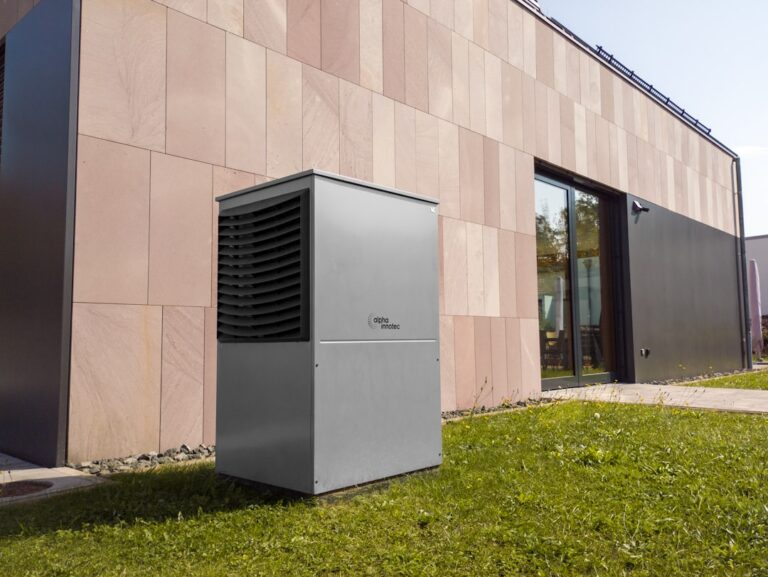
Heat pumps are becoming incredibly popular in places like Poway and El Cajon because they provide both heating and cooling. However, because they work year-round—cooling you in July and warming you in January—they accumulate “mileage” much faster than a standard AC. Consequently, their lifespan is slightly shorter, usually averaging 10 to 16 years.
Ductless Mini-Splits
Ductless systems are the quiet overachievers of the HVAC world. Because they don’t rely on ductwork (which can leak and force the unit to work harder), they often last a solid 15 to 20 years. They are excellent for targeted cooling in specific rooms, reducing the overall strain on the equipment.
Geothermal Ground Loops
If you are looking for the ultimate long-term investment, geothermal is it. While the indoor mechanical components last about 25 years, the underground loops can last 50 years or more. It is the marathon runner of home comfort.
Window and Portable Units
On the other end of the spectrum, window units and portable air conditioners are the sprinters. Due to their compact design and high environmental stress, they typically last only 5 to 10 years. If you find yourself constantly repairing a portable unit, it’s usually more cost-effective to look into a permanent AC Replacement.
Whole House Fans and Evaporative Coolers
Whole house fans are remarkably durable, often lasting 15 to 25 years because they have fewer complex moving parts than a refrigerant-based system. Evaporative coolers (or swamp coolers) usually fall in the 10 to 15-year range, though they are less common in our more humid coastal areas.
Critical Factors That Determine Your System’s Longevity
Why does one unit last 22 years while another fails at 9? It rarely comes down to “luck.” Several technical and environmental factors dictate the survival of your HVAC system.
Installation Quality: The Foundation of Life
We cannot overstate this: the most important day in the life of your air conditioner is the day it is installed. Poor installation—such as incorrect refrigerant charging or sloppy electrical connections—can shave five years off your ac lifespan immediately. A system is only as good as the hands that put it together.
System Sizing and Load Calculations
A common mistake is thinking “bigger is better.” If an AC unit is too large for your home, it will “short-cycle,” turning on and off rapidly. This puts immense strain on the compressor (the heart of the system) and the capacitor. Conversely, an undersized unit will run constantly, never reaching the target temperature and essentially “burning out” from exhaustion. We use professional load calculations to ensure the system is perfectly balanced for your home’s square footage, insulation, and window orientation.
Usage Patterns and Thermostat Settings
Every degree matters. Setting your thermostat to 78°F instead of 72°F can reduce system runtime by as much as 15-20%. Over 15 years, that’s thousands of hours of wear and tear saved. Using “Auto” settings instead of keeping the fan “On” constantly also allows the motor to rest, extending its functional life.
Ductwork Integrity and Airflow Balance
If your ducts are leaky or clogged, your AC has to push air through a “clogged straw.” This increases static pressure, forcing the blower motor to work harder and run hotter. Maintaining Signs Home is Ready for New AC Installation often starts with evaluating whether your home’s infrastructure is supporting or sabotaging your AC.
How Climate and Coastal Air Impact AC Lifespan
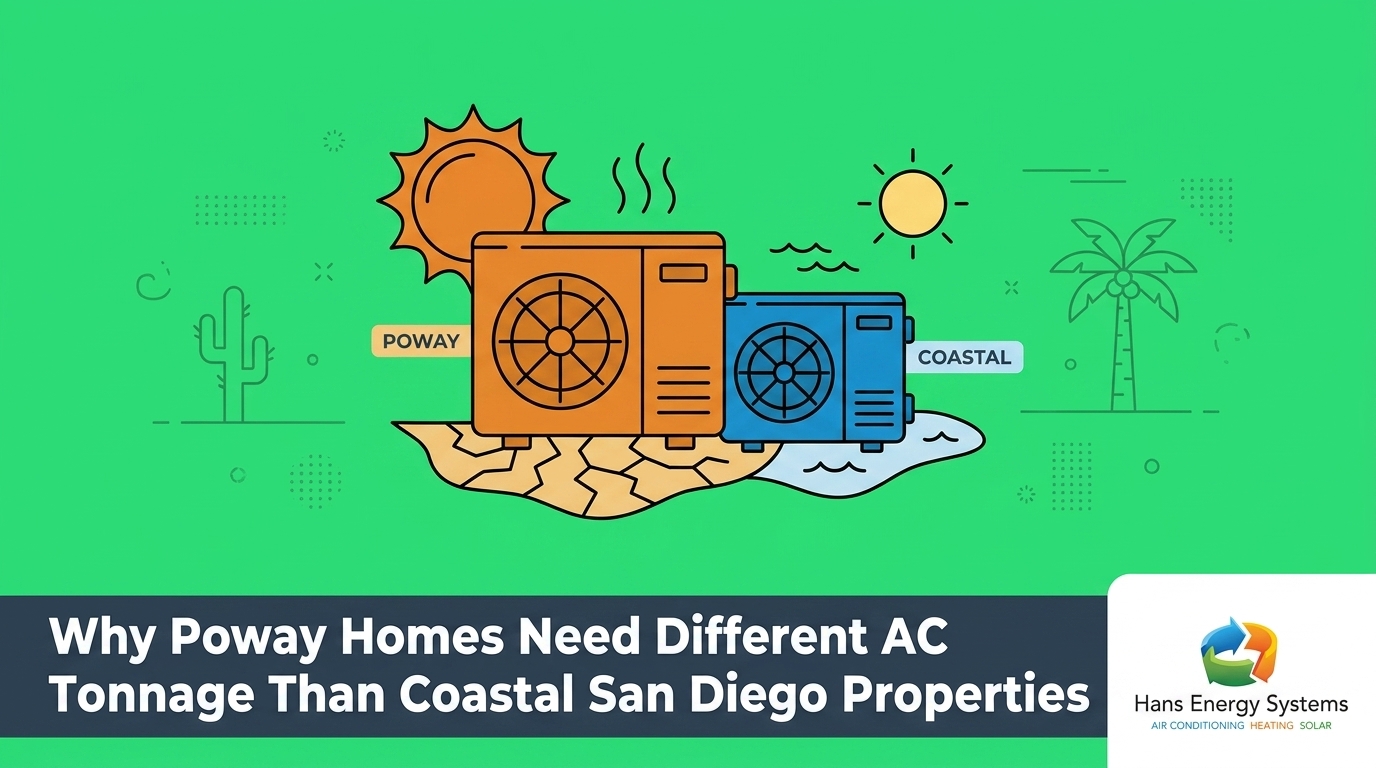
Living in the San Diego area means dealing with unique microclimates. If you’re in a coastal spot like Del Mar or La Jolla, salt air is your AC’s greatest enemy. Salt is highly corrosive and can eat through aluminum fins and copper coils in as little as 10 to 14 years.
Inland areas like Poway or Escondido face a different challenge: extreme heat waves. When temperatures spike over 100°F, your unit works at maximum capacity for hours on end. This thermal stress can weaken electrical components and cause capacitors to fail prematurely.
The Role of Proper Sizing in AC Lifespan
As mentioned, proper sizing is the “Goldilocks” of HVAC. When a unit is sized correctly, it runs long enough to dehumidify the air but rests long enough to cool down its internal components. This balance is what allows a high-quality unit to reach that 20-year milestone.
Recognizing the Signs Your Unit is Nearing Retirement
Your AC will usually tell you it’s dying; you just have to know how to listen. If you notice these Warning Signs AC Needs Replacement in Poway, it might be time to stop pouring money into repairs.
- Weak Airflow: If the air coming out of the vents feels like a faint whisper, your blower motor or compressor may be on its last legs.
- Strange Noises: Banging, rattling, or grinding sounds often indicate a broken motor mount or a failing compressor.
- Frequent Cycling: If the unit turns on and off every few minutes, it’s struggling to maintain temperature.
- Rising Energy Bills: An unexplained spike in your SDG&E bill usually means the system is losing efficiency.
- Inconsistent Cooling: If the living room is a freezer but the bedroom is a sauna, the system is no longer distributing air effectively.
- Mold Odors: Musty smells can indicate mold growth inside the unit or ductwork, which is common in older, poorly draining systems.
- Refrigerant Leaks: If your unit still uses R-22 (Freon), a leak is often the “death knell” because this refrigerant is phased out and incredibly expensive to replace.
Knowing When to Replace Your AC System in Poway is about balancing the cost of a new unit against the mounting costs of inefficiency and constant fixes.
Determining the Right Time for Replacement Based on AC Lifespan
A good rule of thumb is the $5,000 Rule: multiply the age of the unit by the cost of the repair. If the result is more than $5,000, replacement is usually the smarter financial move. For example, a 12-year-old unit needing an $800 repair ($9,600) should be replaced.
Furthermore, upgrading from an old 10 SEER unit to a modern 16 or 18 SEER model can slash your annual cooling costs by 35-40%. With available utility rebates for eco-friendly coolants, the “expensive” new unit often pays for itself in a few years through energy savings. While we offer expert AC Repair, we’ll always be honest if a repair is just a “band-aid” on a terminal problem.
Proactive Strategies to Extend Your Cooling System’s Life
You don’t have to be a victim of a short ac lifespan. There are several things you can do to keep your system running into its second decade.
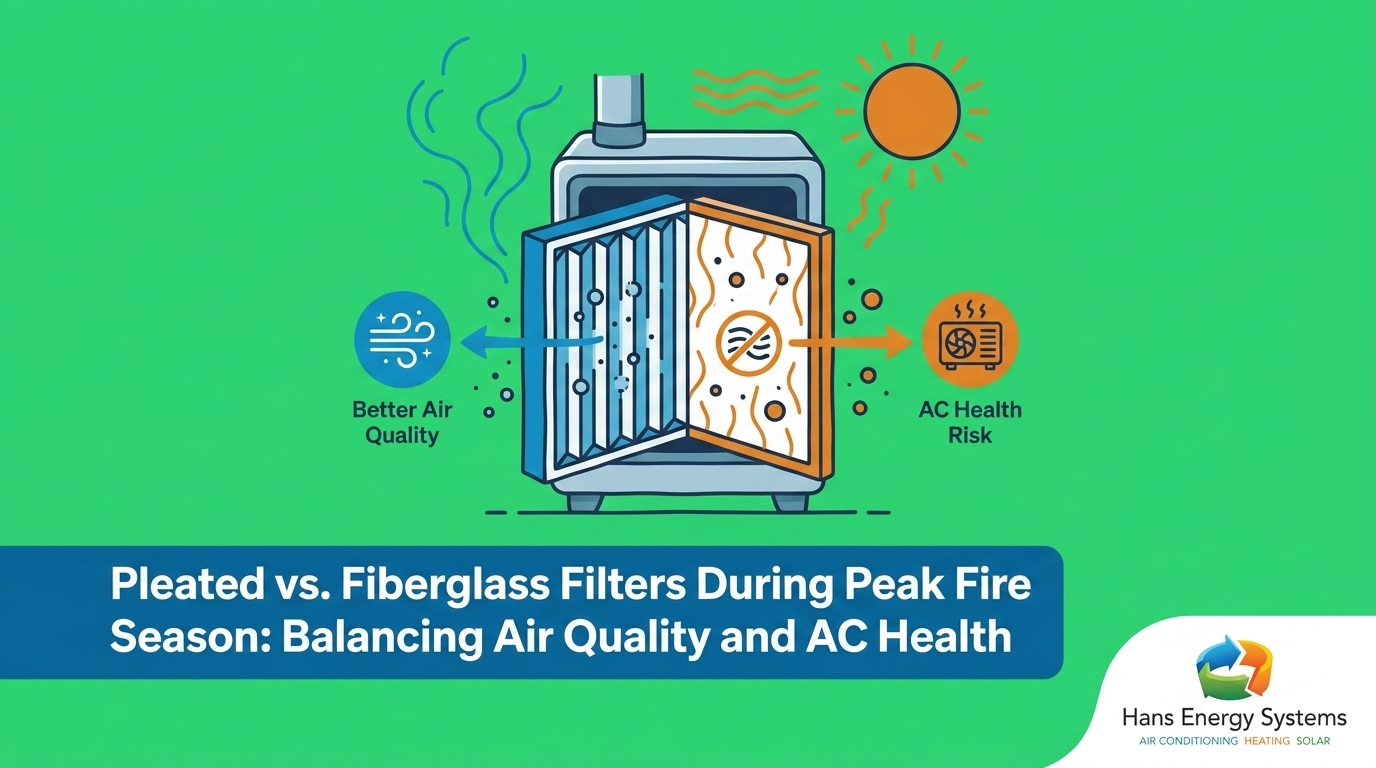
- Air Filter Maintenance: This is the simplest and most effective task. A dirty filter blocks airflow, causing the system to overheat. Check it monthly and replace it every 1-3 months.
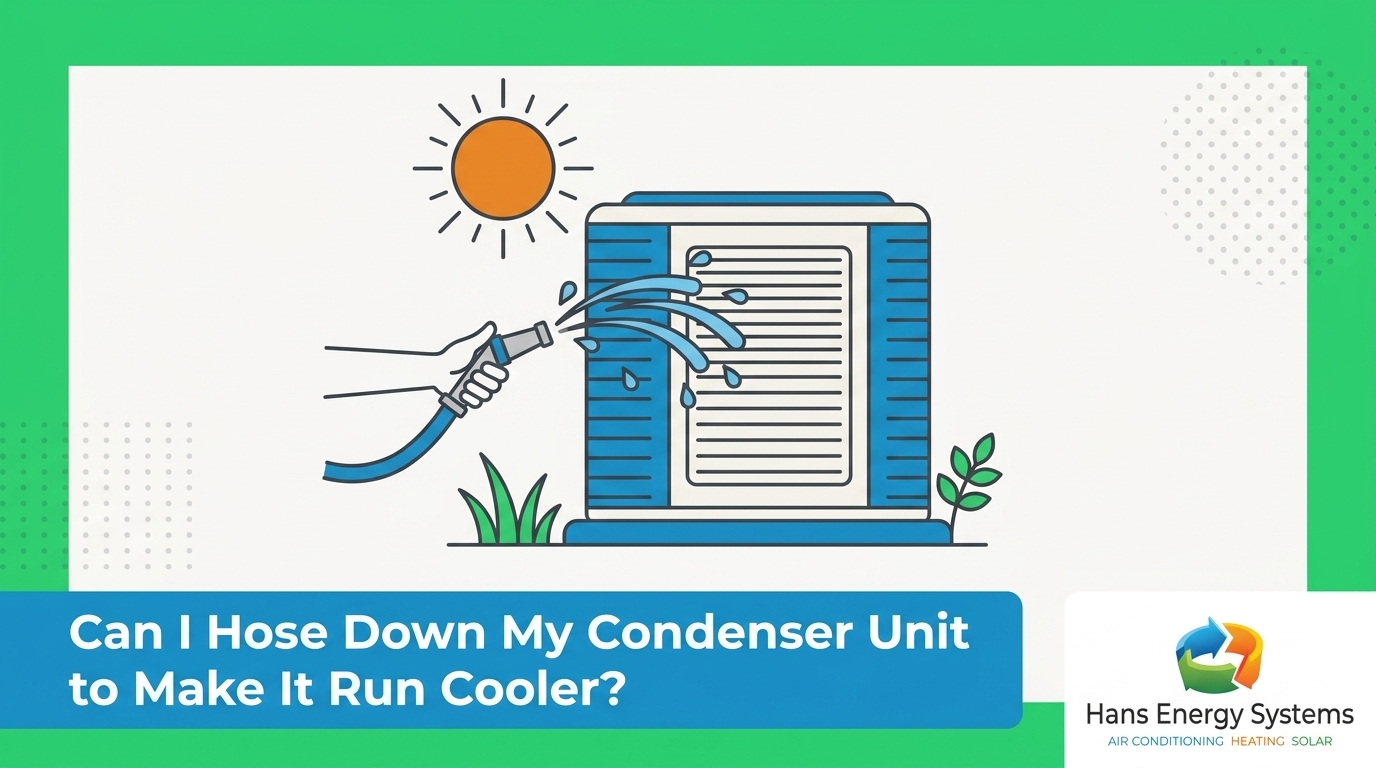
- Coil Cleaning: The outdoor condenser coils get covered in dust, pollen, and (in San Diego) salt. Gently hosing them down once a season can improve heat transfer significantly.
- Perimeter Clearing: Keep at least two feet of clear space around your outdoor unit. Trim back bushes and remove dried leaves to ensure the unit can “breathe.”
- Home Insulation: Improving your attic insulation or sealing gaps around windows means your AC doesn’t have to work as hard to keep the house cool.
- Duct Sealing: Sealing leaks in your ductwork ensures that the cold air you’re paying for actually reaches your rooms instead of cooling your crawlspace.
- Thermostat Management: Use a smart thermostat to program “setbacks” when you aren’t home. This reduces the total hours the compressor runs each year.
If you’re already experiencing issues, seeking AC Repair Poway CA early can prevent a small $150 electrical issue from turning into a $2,000 compressor failure.
Your Essential Maintenance Checklist for Maximum Longevity
To get the most out of your ac lifespan, follow this routine:
Monthly Tasks:
- Inspect the air filter (replace if you can’t see light through it).
- Check the outdoor unit for debris or “nesting” pests.
- Ensure all indoor vents are unblocked by furniture or curtains.
Seasonally (Spring and Fall):
- Gently rinse the outdoor condenser coils.
- Check the condensate drain line for clogs (look for standing water in the drain pan).
- Test the thermostat to ensure it’s accurately reading the room temperature.
Annually (Professional Tune-Up):
- Electrical Check: Tighten connections and measure capacitor voltage.
- Lubrication: Oil any moving parts to reduce friction and heat.
- Refrigerant Levels: Ensure there are no leaks and the pressure is optimal.
- Deep Cleaning: Professional cleaning of the evaporator and condenser coils.
Frequently Asked Questions about AC Longevity
Can an air conditioner last 30 years?
While it is technically possible, it is extremely rare—the “unicorn” of the HVAC world. For a unit to last 30 years, it would need to be in a mild climate (not coastal), have perfect annual maintenance, and likely have had several major components (like the fan motor or capacitor) replaced along the way. Even then, a 30-year-old unit would be so inefficient by modern standards that you would likely be paying triple the necessary amount in electricity.
Does shading the outdoor unit extend its life?
Yes, but with a caveat. Providing shade can reduce the ambient temperature around the unit, helping it shed heat more efficiently. However, you must ensure the shade (like a lattice or awning) does not block airflow. If you “box in” the unit to shade it, you’ll actually cause it to overheat and fail sooner. Always maintain at least 2-3 feet of clearance.
How often should I change my AC filter in San Diego?
In San Diego, we deal with a lot of dust and seasonal pollen. During the high-usage summer months, you should check your filter every 30 days. If you have pets or live near a construction site or a busy road (like the I-15 or Hwy 56), you will likely need to replace it every month. In the “shoulder seasons,” every three months is usually sufficient.
Conclusion
At the end of the day, your ac lifespan is a reflection of how the system was treated from day one. From the precision of the initial installation to the consistency of your annual tune-ups, every choice you make impacts whether your unit survives another decade or dies a premature death.
At Hans Energy Systems, we pride ourselves on helping San Diego North County residents maximize their home comfort investments. Whether you need a quick repair in Poway, a solar-powered cooling solution in Carlsbad, or a full AC Replacement in Poway, we are here to provide the reliability and exceptional service you deserve. Don’t wait for the next heat wave to find out if your AC is up to the task—give your system the care it needs today.